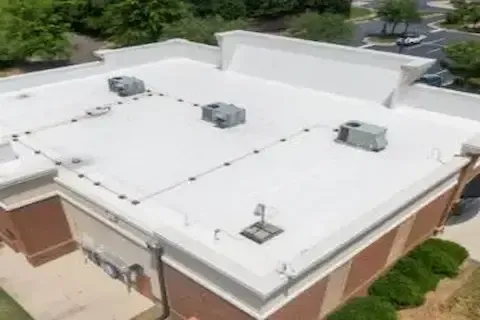
Commercial Flat Roof Replacement in Maple Grove MN
Commercial flat roof replacement represents one of the most significant investments property owners in Maple Grove will make for their buildings. Unlike residential roofing projects, commercial flat roof systems require specialized knowledge, materials, and installation techniques that differ substantially from traditional sloped roofing. The unique climate conditions in Minnesota, combined with the specific structural demands of flat roofing systems, create a complex decision-making process that requires careful consideration of multiple factors.
Understanding the intricacies of commercial flat roof replacement becomes essential when your current roofing system begins showing signs of deterioration. The decision to replace rather than repair involves evaluating the age of your existing roof, the extent of damage, energy efficiency goals, and long-term building plans. Property owners who approach this decision with comprehensive knowledge typically achieve better outcomes and avoid costly mistakes that can plague commercial roofing projects for years.
Understanding Commercial Flat Roof Systems
Commercial flat roofs differ fundamentally from residential roofing systems in their construction, materials, and performance requirements. These systems must handle significant structural loads, accommodate HVAC equipment, and provide reliable protection against Minnesota's challenging weather patterns. The term "flat roof" is somewhat misleading, as these systems typically feature slight slopes designed to direct water toward drainage systems.
Modern commercial flat roofing systems fall into several categories, each with distinct characteristics and applications. Built-up roofing (BUR) systems use multiple layers of felt and bitumen to create a durable, time-tested solution that has protected commercial buildings for decades. Modified bitumen systems combine traditional asphalt with polymer modifiers to enhance flexibility and weather resistance. Single-ply membrane systems, including EPDM, TPO, and PVC, offer lighter-weight solutions with excellent weather resistance and energy efficiency potential.
The structural requirements for commercial flat roofs in Maple Grove must account for snow loads that can exceed 50 pounds per square foot during severe winter conditions. This places enormous stress on roofing systems and underlying structures, making proper installation and material selection critical for long-term performance. Additionally, commercial buildings often house sensitive operations or valuable inventory, making roof failure consequences more severe than typical residential situations.
Material Selection Considerations
Selecting appropriate materials for commercial flat roof replacement involves balancing initial costs, expected lifespan, maintenance requirements, and performance characteristics. EPDM (ethylene propylene diene monomer) rubber roofing offers excellent durability and weather resistance, typically lasting 20-30 years with proper maintenance. This material performs well in Minnesota's temperature extremes and provides good resistance to UV radiation and ozone exposure.
TPO (thermoplastic polyolefin) roofing has gained significant popularity due to its energy efficiency characteristics and heat-welded seam construction. White TPO membranes reflect substantial amounts of solar radiation, reducing cooling costs during summer months while maintaining flexibility in cold temperatures. The welded seams create watertight connections that resist separation over time, addressing one of the primary failure points in commercial roofing systems.
PVC roofing systems provide superior chemical resistance and fire safety characteristics, making them suitable for buildings with specific performance requirements. These systems cost more initially but offer excellent longevity and resistance to environmental factors. Modified bitumen systems continue to serve many commercial applications effectively, particularly when installed with proper base sheets and protective surfacing materials.
Metal roofing systems, including standing seam and structural configurations, provide exceptional longevity and can accommodate significant structural movement. While typically more expensive than membrane systems, metal roofs can last 40-50 years with minimal maintenance, making them cost-effective for long-term property ownership strategies.
Timing and Weather Considerations
Minnesota's climate creates specific timing challenges for commercial flat roof replacement projects. The ideal installation window typically occurs between late spring and early fall, when temperatures remain consistently above freezing and precipitation is less frequent. However, emergency replacements sometimes require winter installation using specialized techniques and materials designed for cold-weather application.
Spring installations allow contractors to address winter damage and prepare buildings for the upcoming severe weather season. Many property owners schedule replacements during this period to avoid potential emergency situations during peak business seasons. Summer installations benefit from consistent weather patterns and optimal curing conditions for most roofing materials, though extreme heat can create installation challenges for certain membrane systems.
Fall installations must account for shortened daylight hours and potential early winter weather, but they allow property owners to secure their buildings before the harsh Minnesota winter season. Contractors experienced in local conditions can often extend the installation season using proper planning and weather monitoring techniques.
Emergency winter installations require specialized equipment, heated materials, and modified installation procedures. While possible under certain conditions, winter installations typically cost more and may require temporary weatherproofing measures until full system completion becomes feasible.
Permit Requirements and Code Compliance
Commercial flat roof replacement projects in Maple Grove require building permits and must comply with current building codes and energy efficiency standards. The permit process typically involves submitting detailed plans showing the proposed roofing system, structural calculations demonstrating adequate support capacity, and specifications for all materials and installation methods.
Minnesota's commercial building code requires specific R-value insulation levels for roof assemblies, with requirements varying based on building type and climate zone classifications. Energy code compliance often necessitates continuous insulation installation and thermal bridging mitigation strategies that impact both material selection and installation methods.
Fire safety codes specify requirements for flame spread ratings, smoke development characteristics, and fire resistance assemblies. These requirements influence material choices and may require specific underlayment systems or fire-retardant treatments. Additionally, building codes address wind resistance requirements, with commercial roofing systems needing to withstand significant uplift forces during severe weather events.
Accessibility requirements under the Americans with Disabilities Act may apply to commercial roofing projects, particularly when roof replacement involves modifications to building access or egress systems. Professional contractors familiar with local code requirements can navigate these complexities while ensuring full compliance throughout the project.
Cost Factors and Budget Planning
Commercial flat roof replacement costs vary significantly based on multiple factors including building size, material selection, structural requirements, and project complexity. Basic membrane replacement projects typically range from $8-15 per square foot, while comprehensive replacement including insulation, decking, and structural modifications can exceed $20 per square foot.
Material costs represent approximately 40-50% of total project expenses, with labor, equipment, and disposal accounting for the remaining costs. Premium materials like PVC or metal roofing systems command higher material costs but may provide better long-term value through extended lifespans and reduced maintenance requirements.
Additional cost considerations include structural modifications needed to support new roofing systems, insulation upgrades required for code compliance, and drainage system improvements. Buildings requiring crane access or specialized equipment for material handling face additional logistics costs that can impact overall project budgets.
Disposal costs for existing roofing materials have increased substantially in recent years, with some materials requiring special handling due to environmental concerns. Projects involving multiple roofing layers or hazardous materials like asbestos require additional disposal fees and specialized removal procedures.
Financing options for commercial roofing projects include traditional commercial loans, equipment financing, and specialized roofing finance programs. Some utility companies offer rebates or incentives for energy-efficient roofing installations, helping offset initial costs while improving long-term operating expenses.
For more on this, see our post on how long a commercial flat roof lasts.
Contractor Selection and Vetting Process
Selecting qualified contractors for commercial flat roof replacement requires thorough vetting of credentials, experience, and financial stability. Licensed commercial roofing contractors should carry appropriate insurance coverage including general liability, workers' compensation, and professional liability insurance with limits adequate for your project scope.
Experience with specific roofing systems becomes critical, as installation techniques vary significantly between different material types. Contractors should provide references from recent commercial projects of similar scope and complexity, along with manufacturer certifications for the proposed roofing systems. Commercial Flat Roof Replacement specialists understand the unique requirements of Minnesota's climate and building codes.
Financial stability assessments help ensure contractors can complete projects without financial difficulties that might compromise quality or timelines. Request recent financial statements, bonding capacity information, and credit references to evaluate contractor stability. Established contractors typically maintain relationships with material suppliers and can secure competitive pricing for quality materials.
Warranty terms vary significantly between contractors and should include both material and workmanship coverage. Comprehensive warranties typically cover materials for 10-20 years and workmanship for 2-5 years, with specific provisions for maintenance requirements and warranty transfer rights.
Project Management and Timeline Expectations
Commercial flat roof replacement projects require careful coordination to minimize business disruption while ensuring quality installation. Typical project timelines range from several days for smaller buildings to several weeks for large or complex facilities, depending on weather conditions and project scope.
Pre-construction planning involves material ordering, permit acquisition, and coordination with building occupants to minimize operational disruption. Contractors should provide detailed project schedules with milestone dates and weather contingency plans to manage timeline expectations effectively.
Daily operations coordination becomes essential for occupied buildings, with contractors working around business hours or implementing temporary protection measures to maintain normal operations. Some projects require phased installation approaches that maintain building weatherproofing throughout the construction period.
Quality control procedures should include regular inspections at critical installation phases, with documentation of compliance with specifications and manufacturer requirements. Final inspections typically involve both contractor and building department reviews to ensure code compliance and warranty validity.
Long-term Maintenance and Performance Monitoring
Successful commercial flat roof replacement extends beyond initial installation to include comprehensive maintenance planning and performance monitoring systems. Regular maintenance schedules typically include semi-annual inspections, drainage system cleaning, and minor repair procedures that prevent small issues from becoming major problems.
Seasonal maintenance requirements in Maple Grove include pre-winter preparations such as drainage system clearing and ice dam prevention measures, along with post-winter damage assessments to identify areas requiring attention. Spring inspections often reveal winter damage that requires prompt attention to prevent water intrusion during summer storm seasons.
Documentation systems should track maintenance activities, warranty claims, and performance metrics to optimize long-term roofing system management. Digital maintenance logs help property managers track inspection schedules and maintenance histories for insurance and warranty purposes.
Energy performance monitoring can demonstrate return on investment for energy-efficient roofing systems while identifying opportunities for additional improvements. Many modern roofing systems include provisions for future upgrades such as solar installations or additional insulation layers.
Commercial flat roof replacement in Maple Grove represents a significant investment that requires careful planning, quality materials, and experienced installation teams. Property owners who approach this decision with comprehensive knowledge of materials, codes, and contractor selection typically achieve superior outcomes that protect their buildings and optimize long-term operating costs. The key to successful projects lies in thorough preparation, realistic timeline expectations, and ongoing commitment to proper maintenance practices that maximize roofing system performance throughout its expected lifespan.
