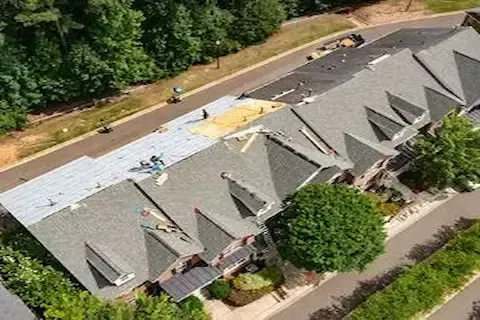
Fall HOA Roofing Prep Checklist for Maple Grove Boards
As temperatures drop across Hennepin County and the first hard frost settles into Maple Grove neighborhoods, HOA boards face a narrow window to address roofing vulnerabilities before winter compounds them. Multi-family roofing systems — whether across townhome clusters off Weaver Lake Road or condominium complexes near the Arbors — carry shared liability that single-family homeowners never face. A missed inspection or deferred gutter cleaning can translate into water intrusion affecting multiple units, contested insurance claims, and budget overruns that derail your annual reserve plan. Fall roofing prep is not an optional line item. It is one of the most defensible decisions a board can make before the snow flies.
Why Fall Is the Right Season for HOA Roof Inspections
Minnesota's shoulder season offers a brief but critical inspection window. Temperatures are still mild enough for contractors to safely walk rooflines and assess membrane integrity, but the summer's heat stress and UV exposure have already done their damage. Shingle granule loss, softened flashing seals, and expanded caulk joints become visible after months of summer heat and UV cycling. By late September and October, issues that were hidden under summer foliage or obscured by heat shimmer are easier to document and photograph.
For Maple Grove boards managing multiple buildings, this timing also aligns with budget planning cycles. Findings from a fall inspection feed directly into your next fiscal year's reserve study adjustments. Catching a failing valley flashing in October costs far less to address than discovering active leak damage in March after ice dams have done their work. For any board wondering how funding flows for these repairs, understanding does hoa fund roof decisions can clarify which repairs draw from reserves and which hit the operating budget.
The Board's Pre-Winter Roofing Checklist
Use the items below as your structured walkthrough framework. Not every board member needs to climb a ladder — but every item should be assigned, tracked, and documented before November.
Gutters and Downspouts
Clogged gutters are the leading cause of fascia rot and soffit water intrusion in multi-family roofing systems. After Maple Grove's oak and maple canopy sheds in October, gutters fill fast. Assign a contractor to flush all gutters and downspouts, check that extensions discharge at least six feet from foundation walls, and confirm that no downspouts are directing water toward common walkways where ice will form. On buildings with internal drains, verify that drain covers are clear and that the drain pans show no standing water from summer rain events.
Flashing at All Penetrations
Chimney bases, plumbing vents, HVAC curbs, and skylights are all penetration points where flashing can lift, crack, or separate after summer thermal cycling. Walk the perimeter of each building and flag any location where caulk has separated or where step flashing has pulled away from masonry. These are high-probability leak points once freeze-thaw cycles begin. On flat or low-slope roofs common to many Maple Grove condominium buildings, membrane flashings around curbs deserve particular attention.
Shingle and Membrane Condition
For sloped roofs, look for missing tabs, curling edges, or concentrations of granule loss in downspout discharge areas. For flat membrane roofs, look for blistering, seam separation, or areas where the membrane has shifted off the edge detail. Document everything photographically so the board has a baseline if a winter claim arises. Your roofing contractor should provide a written condition report, not just a verbal summary.
Attic Ventilation and Insulation
Ice dams are not strictly a roofing problem — they are a building envelope problem. Inadequate attic ventilation causes warm air from conditioned units to heat the roof deck, melting snow that then refreezes at the cold eaves. In townhome communities where units share attic space or where attic access is through individual unit ceilings, ventilation deficiencies are common and often unaddressed. Confirm that ridge vents and soffit vents are unobstructed and that insulation is not blocking soffit airflow. This single step prevents more winter roof damage than any other action on this list.
Tree and Debris Hazards
Maple Grove's mature residential landscaping is part of its appeal, but overhanging branches create abrasion points on shingles during wind events and deposit debris that accelerates granule loss and moss growth. Before winter storms add weight and wind stress, identify branches within ten feet of any roofline and coordinate with your landscaping contractor for trimming. This is also the time to clear any debris accumulated on flat roof areas, particularly around drains and at parapet walls.
Documenting Findings for the Board Record
Every inspection should produce a written summary that goes into board meeting minutes. This serves two purposes. First, it demonstrates that the board exercised its duty of care in maintaining common elements — critical if a homeowner later disputes responsibility for a water intrusion event. Second, it creates a year-over-year comparison that makes reserve study updates more accurate. Photographs with date stamps, contractor invoices, and any warranties for completed repairs should all be filed together in a dedicated maintenance log.
If your board has deferred inspections in prior years, a more thorough professional assessment may be warranted before this winter. HOA and Multi-Family Roofing professionals familiar with Maple Grove's community structures can provide the kind of building-by-building condition report that gives your board defensible documentation and a prioritized repair list.
Coordinating With Homeowners During Fall Work
Roof maintenance in a shared-ownership community requires more communication than in a single-family setting. Homeowners notice contractors on common roofs and often assume work is being done in response to a reported issue — or worry that an assessment signals an upcoming special assessment. Get ahead of this by sending a brief notice before any inspection or repair work begins. Explain the scope, the expected timeline, and whether any unit access will be required for attic inspections. A one-paragraph email distributed through your management platform costs nothing and prevents the board inbox from filling with concerned owner inquiries.
Closing Perspective
Fall roofing prep in Maple Grove HOA communities is not about reacting to problems — it is about removing the conditions that create them. Boards that complete a structured checklist before the first significant snowfall enter winter with documentation, a clear repair queue, and significantly less exposure to the emergency costs that come with ignored maintenance. The investment of a few hours and one professional inspection visit now is a fraction of what a single winter water intrusion event costs to remediate across multiple affected units. Use fall as your window, work your checklist, and close it before November makes the work harder.
