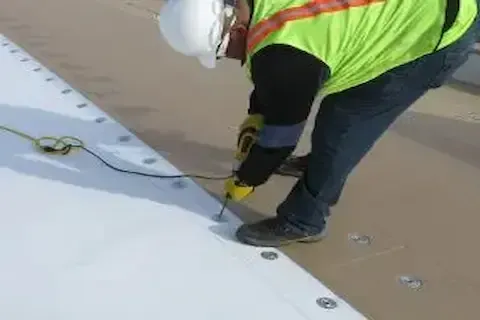
TPO Roof Installation for Maple Grove MN Buildings
Thermoplastic Polyolefin (TPO) roofing systems have become a leading choice for commercial buildings in Maple Grove, Minnesota, offering energy efficiency and durability that suits the region's challenging climate. Understanding the installation process helps property owners make informed decisions about this single-ply membrane system that can protect their investment for decades.
TPO installation involves several critical phases, from substrate preparation to final membrane attachment. The process requires specialized equipment, trained technicians, and careful attention to weather conditions during installation. Success depends on proper planning, quality materials, and adherence to manufacturer specifications throughout every step.
TPO Membrane Installation Methods
Three primary attachment methods dominate TPO installations, each suited to different building types and conditions. Fully adhered systems use contact adhesive to bond the membrane directly to the substrate, creating a monolithic surface that resists wind uplift effectively. This method works well for buildings with complex roof geometries or those in high-wind zones common throughout the Minneapolis metropolitan area.
Mechanically attached systems use fasteners and plates to secure the membrane at seams and edges. This approach allows for some membrane movement during thermal cycling, which can be beneficial for buildings that experience significant temperature fluctuations. The mechanical attachment method typically costs less than full adhesion and installs more quickly in favorable weather conditions.
Ballasted systems, less common in Minnesota due to structural load concerns, use gravel or pavers to hold the membrane in place. This method works best on buildings designed to handle the additional weight and in areas with moderate wind conditions. Local building codes in Maple Grove often require engineering analysis before approving ballasted installations.
Substrate Preparation Requirements
Proper substrate preparation forms the foundation of every successful TPO installation. The existing roof deck must be clean, dry, and structurally sound before membrane application begins. Any damaged areas require repair or replacement to prevent future problems that could compromise the entire roofing system.
Insulation installation follows substrate preparation, with contractors ensuring proper R-values meet Minnesota energy codes. Polyisocyanurate and expanded polystyrene insulation boards are common choices, installed with appropriate fasteners and adhesives. Proper insulation alignment and gap management prevent thermal bridging that could reduce energy efficiency.
A cover board often goes over the insulation to protect it during installation and provide a smooth surface for membrane attachment. Gypsum, wood fiber, and high-density polyisocyanurate cover boards each offer different benefits depending on the specific installation requirements and budget considerations.
When considering TPO Roofing Installation for your commercial property, proper substrate preparation cannot be compromised. The time and expense invested in this phase directly impacts long-term performance and warranty coverage.
Seaming and Welding Processes
TPO membrane seaming creates the watertight integrity that defines system performance. Hot air welding remains the most common seaming method, using heated air to melt the membrane overlap area and create a homogeneous bond. Welding equipment must maintain precise temperatures, typically between 400-600 degrees Fahrenheit, while operators control speed and pressure for consistent results.
Automatic welding machines handle straight seams efficiently, while hand welders manage detail work around penetrations, corners, and irregular areas. Proper seam overlap, usually one and a half inches minimum, ensures adequate bonding area for reliable performance. Weather conditions significantly impact welding quality, with wind, temperature, and humidity all affecting the process.
Seam testing follows completion of welding work, using probe and air pressure tests to verify integrity. Probe testing involves running a blunt instrument along seam edges to detect unbonded areas, while air pressure testing uses specialized equipment to pressurize seam samples and check for leaks.
Quality control during seaming prevents most TPO roof failures. Contractors must document testing results and make repairs before final inspection. This attention to detail during installation protects the building owner's investment and maintains warranty coverage.
Flashing and Penetration Details
Roof penetrations present the greatest challenge during TPO installation, requiring careful attention to detail and proper materials. Pipe flashings, HVAC curbs, and equipment supports all need specialized treatment to maintain membrane integrity while accommodating building systems.
Prefabricated TPO accessories simplify many detail installations, with manufacturers providing boots, inside and outside corners, and other components that match membrane properties. These factory-made pieces often perform better than field-fabricated details because of controlled manufacturing conditions and quality assurance.
Termination bars secure membrane edges at parapets, equipment, and other vertical surfaces. Proper fastener spacing and sealant application prevent water infiltration at these critical areas. Minnesota's freeze-thaw cycles make termination details especially important, as thermal movement can stress improperly installed connections.
Walkway pads protect high-traffic areas around rooftop equipment, extending membrane life and maintaining warranty coverage. These pads install during membrane placement and become an integral part of the roofing system. Many commercial property managers find that understanding retail property roofing in Maple Grove helps them appreciate these important details.
Weather Considerations and Installation Timing
Minnesota weather patterns significantly influence TPO installation scheduling and methods. Cold temperatures affect adhesive performance and membrane flexibility, while high winds can make membrane handling dangerous and difficult. Most contractors prefer installation temperatures above 40 degrees Fahrenheit for optimal results.
Spring and early fall provide ideal installation windows, with moderate temperatures and lower precipitation chances. Summer installations require careful scheduling to avoid extreme heat that can make working conditions dangerous and affect material performance. Winter installations are possible but require special procedures and may cost more due to additional precautions.
Moisture content in substrates and insulation must be below manufacturer limits before installation begins. Wet conditions can trap moisture under the membrane, leading to problems like deck deterioration and insulation performance loss. Contractors often use moisture meters and may require drying time before proceeding.
Wind speed limits vary by installation method and membrane size, with most contractors stopping work when sustained winds exceed 25 miles per hour. Large membrane sheets become unmanageable in high winds, creating safety hazards and installation quality issues.
Quality Control and Inspection Procedures
Professional TPO installations include multiple inspection points to ensure quality and warranty compliance. Pre-installation inspections verify substrate conditions, material specifications, and weather suitability. These checks prevent problems that could compromise the entire project.
During installation, quality control focuses on proper membrane placement, seam welding, and detail work. Experienced supervisors monitor work progress and material handling to maintain standards throughout the project. Documentation of procedures and test results supports warranty claims and future maintenance planning.
Final inspections verify completion according to specifications and industry standards. This includes comprehensive seam testing, detail verification, and cleanup completion. Many commercial property owners in Maple Grove appreciate contractors who provide detailed inspection reports and maintenance recommendations.
Third-party inspections may be required for warranty coverage or code compliance. Independent inspectors provide objective evaluation of installation quality and can identify issues before they become expensive problems. These inspections often pay for themselves through improved system performance and extended service life.
Warranty Coverage and Performance Expectations
TPO roofing warranties typically include both material and installation coverage, with terms ranging from 10 to 30 years depending on membrane thickness and system specifications. Understanding warranty requirements helps building owners maintain coverage and protect their investment over the roof's service life.
Manufacturer warranties cover membrane defects and premature degradation under normal use conditions. Installation warranties, provided by the contractor, cover workmanship issues including seam failures and detail problems. Some extended warranties combine both coverages under comprehensive programs that simplify claims and maintenance.
Regular maintenance preserves warranty coverage and extends system life. This includes periodic inspections, prompt repair of minor issues, and documentation of all service work. Neglecting maintenance can void warranties and lead to premature system failure.
Performance expectations for properly installed TPO systems include energy efficiency improvements, reliable weather protection, and low maintenance requirements. Many Maple Grove commercial property owners report significant energy cost reductions after TPO installation, especially when upgrading from older roofing systems with inadequate insulation.
For more on this, see our post on how long TPO roofing lasts on Maple Grove buildings.
Professional Installation Considerations
Selecting qualified TPO installation contractors requires verification of licensing, insurance, and manufacturer certifications. Experienced contractors understand local building codes, weather challenges, and best practices for Minnesota commercial buildings. Their expertise prevents costly mistakes and ensures warranty compliance.
Project scheduling coordination becomes crucial for commercial buildings with ongoing operations. Professional contractors work with building managers to minimize disruption while maintaining safety standards. This includes protecting building occupants from noise, debris, and weather exposure during installation.
Cost considerations extend beyond initial installation to include long-term maintenance, energy savings, and eventual replacement planning. Quality installations may cost more initially but provide better value through extended service life and reduced maintenance requirements.
TPO roof installation success depends on proper planning, quality materials, and skilled execution. Commercial property owners who invest in professional installation and regular maintenance can expect decades of reliable performance from their TPO roofing system, protecting their building and improving operational efficiency throughout the membrane's service life.
