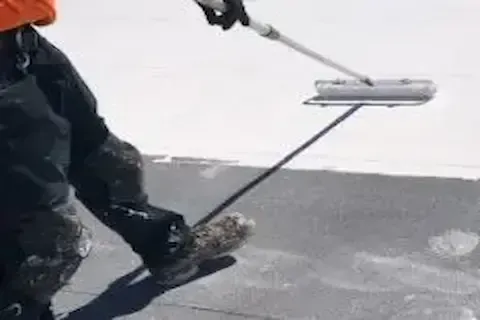
Commercial Roof Coating in Maple Grove MN Overview
Understanding Commercial Roof Coating Applications
Commercial roof coating represents a strategic maintenance approach that can extend the functional life of your existing roofing system while providing enhanced protection against weather elements. In Maple Grove's variable climate conditions, building owners face decisions about whether coating applications offer genuine long-term value or simply postpone inevitable replacement costs.
The effectiveness of roof coating depends heavily on the current condition of your existing roof membrane, the specific coating material selected, and the quality of surface preparation before application. Understanding these factors helps you make informed decisions about timing and investment levels for your commercial property.
Modern coating technologies have evolved significantly, offering improved adhesion properties, UV resistance, and thermal performance characteristics. These advances mean that properly applied coatings can provide substantial protection when applied to suitable substrate conditions, but they cannot overcome fundamental structural deficiencies or extensive membrane deterioration.
Evaluating Existing Roof Conditions for Coating Suitability
Your existing roof membrane condition determines whether coating application represents a sound investment or a temporary measure that delays necessary replacement. Roofs with minor surface wear, isolated small punctures, or early-stage weathering typically respond well to coating restoration systems.
Professional assessment should identify any areas of wet insulation, structural deck issues, or membrane separation that would prevent proper coating adhesion. These conditions require remediation before coating application, or they may indicate that full roof replacement provides better long-term value for your property investment.
The age of your existing roofing system also influences coating effectiveness. Roofs approaching the end of their expected service life may benefit from coating as a planned interim solution while you prepare for eventual replacement, but newer systems with localized issues often achieve excellent long-term results from restoration coating applications.
Substrate compatibility testing ensures that your selected coating system will bond properly with existing membrane materials. Different roof types require specific coating formulations, and improper material selection can lead to adhesion failures that compromise the entire restoration project.
Coating Material Selection and Performance Characteristics
Silicone coatings excel in areas with frequent moisture exposure, providing excellent water resistance and maintaining flexibility across temperature variations common in Minnesota's seasonal climate patterns. These materials resist ponding water concerns and typically require minimal maintenance once properly cured.
Acrylic coating systems offer strong UV protection and reflective properties that reduce cooling costs during summer months. However, these materials may require more frequent maintenance in high-moisture environments and should be evaluated carefully for application areas prone to standing water conditions.
Polyurethane coatings provide exceptional durability and impact resistance, making them suitable for roofs with heavy equipment installations or high foot traffic patterns. The initial cost typically exceeds other coating options, but the extended service life often justifies the premium for appropriate applications.
Hybrid coating formulations combine beneficial properties from multiple material types, offering customized performance characteristics for specific building requirements. These specialized systems may provide optimal solutions for complex roof configurations or unique environmental exposure conditions affecting your Maple Grove commercial property.
For more on this, see our post on silicone versus acrylic roof coatings.
Application Process and Quality Control Considerations
Surface preparation determines coating system longevity more than any other single factor in the restoration process. Proper cleaning removes contaminants, loose materials, and weathered membrane surfaces that would prevent optimal adhesion between coating and substrate materials.
Weather conditions during application significantly impact final coating performance. Temperature and humidity levels, wind conditions, and precipitation forecasts all influence application timing and curing characteristics that affect long-term coating integrity.
Primer application may be required depending on substrate conditions and coating material specifications. This additional step increases project costs but provides essential adhesion promotion for challenging substrate conditions or advanced membrane weathering situations.
Quality control procedures should include thickness measurements, adhesion testing, and visual inspection protocols that verify proper application standards throughout the project. Documentation of these procedures provides valuable warranty support and helps establish maintenance schedules for ongoing roof performance monitoring.
Cost Analysis Framework for Coating vs Replacement Decisions
Coating application costs typically range from one-third to one-half the expense of complete roof replacement, making restoration an attractive option when substrate conditions support long-term coating performance. However, you should evaluate total lifecycle costs rather than focusing solely on initial investment requirements.
Energy savings from reflective coating properties can provide measurable operational cost reductions, particularly for buildings with significant cooling loads during warmer months. These savings accumulate over the coating service life and should factor into your overall financial analysis of restoration versus replacement alternatives.
Maintenance requirements differ between coating systems and influence long-term ownership costs. Some materials require periodic reapplication or touch-up procedures, while others provide extended service with minimal intervention requirements that reduce ongoing maintenance budget allocations.
The Commercial Roof Coating and Restoration investment should align with your property ownership timeline and capital improvement planning cycles. Short-term ownership may favor coating solutions, while long-term property investment strategies might benefit from replacement systems with extended warranty coverage.
Common Application Mistakes and Prevention Strategies
Inadequate surface preparation represents the most frequent cause of coating system failures, resulting in premature adhesion loss and localized coating defects that compromise overall roof protection. Proper cleaning and surface profiling prevent these issues but require appropriate equipment and experienced application crews.
Incorrect material selection for specific substrate types or environmental conditions leads to performance problems that may not manifest until after warranty periods expire. Professional material compatibility assessment prevents these costly mistakes and ensures optimal coating system performance for your specific application requirements.
Application thickness variations create weak points where coating protection becomes inadequate for long-term weather resistance. Proper spray equipment calibration and application technique training help maintain consistent coverage throughout the entire roof surface area.
Timing mistakes related to weather conditions can compromise coating curing processes and result in surface defects or reduced adhesion strength. Professional application scheduling considers extended weather forecasts and allows adequate curing time before exposure to adverse conditions.
Local Climate Considerations for Maple Grove Commercial Properties
Minnesota's freeze-thaw cycles create unique challenges for coating system durability, requiring materials with excellent flexibility and thermal shock resistance. Coating selection should prioritize these characteristics to prevent cracking or membrane separation during temperature fluctuations common in the region.
Snow load considerations affect coating system design requirements, particularly for buildings with lower roof slopes where snow accumulation creates extended moisture exposure periods. Proper coating thickness and primer application become critical for these challenging exposure conditions.
Wind-driven rain and ice dam formation patterns specific to Maple Grove's geography influence coating system design requirements. Professional assessment of local weather patterns helps optimize material selection and application specifications for maximum long-term performance under regional conditions.
Seasonal application windows in Minnesota limit coating project scheduling to specific time periods when temperature and humidity conditions support proper material curing. Planning coating projects well in advance ensures optimal application timing and prevents delays that could compromise building protection during severe weather periods.
Professional Assessment and Decision Making Process
Comprehensive roof evaluation should include structural assessment, moisture testing, and membrane condition analysis that provides objective data for coating versus replacement decision making. Professional inspection identifies hidden problems that could affect coating system performance or indicate the need for more extensive restoration work.
Multiple coating system proposals allow comparison of material options, application methods, and warranty terms that help optimize value for your specific building requirements. Each system offers different advantages, and professional guidance helps match coating characteristics with your property's performance needs and budget constraints.
Reference checking with previous coating projects in similar climate conditions provides valuable insight into long-term performance expectations and maintenance requirements. Local project experience demonstrates contractor capabilities and material performance under conditions similar to your Maple Grove commercial property.
When evaluating whether to proceed with coating restoration or move toward replacement, consider consulting resources about commercial re-roofing building owners to understand the full range of options available for your property investment strategy.
Implementation Timeline and Project Planning Considerations
Coating project scheduling requires coordination with building operations, weather conditions, and material delivery timelines that ensure efficient project completion without disrupting normal business activities. Advanced planning helps minimize operational impacts while maximizing application quality and coating system performance.
Permit requirements for coating applications vary by municipality and project scope, potentially affecting project timelines and budget allocations. Early permit application prevents delays and ensures compliance with local building codes and environmental regulations affecting commercial roofing projects.
Temporary protection measures during coating application protect building contents and operations from overspray or weather exposure during the restoration process. Proper planning and execution of these measures demonstrates professional project management and protects your property investment throughout the coating application period.
