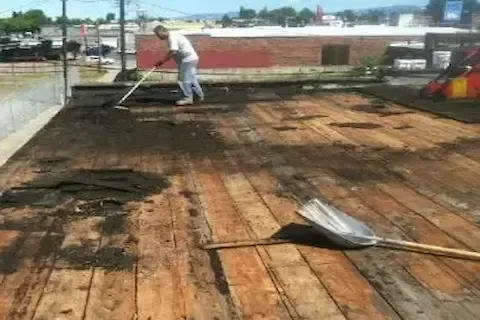
Commercial Re-Roofing for Maple Grove MN Building Owners
Commercial re-roofing represents one of the most significant infrastructure investments you'll make as a building owner in Maple Grove, Minnesota. Unlike residential projects, commercial re-roofing involves complex systems, stringent building codes, and substantial financial commitments that require careful planning and expert execution. Whether you're managing an office building, retail complex, or industrial facility, understanding when and how to approach a complete roof replacement will protect your investment and ensure business continuity.
Understanding Commercial Re-Roofing Systems
Commercial re-roofing in Maple Grove involves completely removing your existing roof system and installing new materials from the deck up. This comprehensive approach differs significantly from repairs or overlays, addressing underlying structural issues, improving insulation, and upgrading to modern roofing technologies. Most commercial buildings in the area feature flat or low-slope roofs using materials like EPDM rubber, TPO, modified bitumen, or built-up roofing systems.
The re-roofing process begins with a thorough assessment of your current roof's condition, including the decking, insulation, and drainage systems. Professional Commercial Re-Roofing Services will evaluate structural integrity, identify moisture damage, and determine whether the existing deck can support new materials or requires replacement.
Modern commercial roofing systems offer significant improvements over older installations. Today's materials provide better energy efficiency, longer warranties, and enhanced weather resistance. Single-ply membranes like TPO and EPDM have become popular choices due to their durability and relatively straightforward installation process.
Conditions That Necessitate Complete Re-Roofing
Several indicators suggest your commercial property requires complete re-roofing rather than repairs or maintenance. Age is a primary factor - most commercial roofs reach the end of their effective lifespan between 15-30 years, depending on the material and maintenance history. However, premature failure can occur due to severe weather, poor installation, or inadequate maintenance.
Extensive membrane damage, such as widespread cracking, splitting, or separation, often makes re-roofing the most cost-effective solution. When repair costs approach 25-30% of replacement costs, re-roofing typically provides better long-term value. Multiple leak locations, especially those that have caused interior damage, indicate systemic failure requiring complete replacement.
Structural issues present another compelling reason for re-roofing. Sagging areas, damaged decking, or inadequate drainage that cannot be corrected through repairs necessitate starting fresh. Energy efficiency concerns also drive many re-roofing decisions, as newer systems offer superior insulation and reflective properties that reduce operating costs.
Insurance considerations increasingly influence re-roofing decisions. Many insurers reduce coverage or increase premiums for roofs over 20 years old, making replacement financially prudent even before complete failure occurs.
Tear-Off Versus Overlay Installation Methods
The choice between complete tear-off and overlay installation significantly impacts project scope, cost, and long-term performance. Tear-off involves removing all existing roofing materials down to the structural deck, allowing for comprehensive inspection and updates to the entire system. This method provides the longest lifespan and best warranty coverage but requires higher upfront investment.
Overlay installation involves installing new roofing materials over existing systems, typically possible only once per roof and only when the existing surface provides adequate substrate. While overlay reduces labor costs and project duration, it limits your ability to address underlying issues and may void certain warranty provisions.
Most Maple Grove commercial properties benefit from tear-off installation due to the climate's freeze-thaw cycles and potential for ice dam formation. Complete removal allows contractors to upgrade insulation levels, improve vapor barriers, and ensure proper drainage - critical factors for Minnesota's harsh winters.
The decision also impacts future maintenance and repairs. Overlay systems can complicate leak detection and repair, as multiple membrane layers make it difficult to locate and address problems. Tear-off installation provides a clean slate that simplifies ongoing maintenance and extends service life.
For more on this, see our post on re-roofing versus replacement.
Practical Project Planning Considerations
Successful commercial re-roofing projects require extensive planning to minimize business disruption and ensure quality results. Timing is crucial - most contractors recommend scheduling major re-roofing work during dry seasons, typically late spring through early fall in Minnesota. However, emergency situations may require winter work with appropriate precautions.
Budgeting for commercial re-roofing involves more than material and labor costs. Factor in permit fees, engineering assessments, temporary weatherproofing, and potential interior protection measures. Many projects also require upgrading roof access, safety systems, or mechanical equipment placement to meet current codes.
Business continuity planning is essential for occupied buildings. Coordinate with tenants about noise, dust, and potential access restrictions. Some operations may need temporary relocation during critical phases. Establish clear communication protocols and timeline expectations with all stakeholders.
Material selection significantly impacts project cost and performance. Consider factors like warranty terms, energy efficiency ratings, maintenance requirements, and compatibility with existing building systems. Your contractor should provide detailed specifications and help evaluate options based on your specific needs and budget constraints.
Common Mistakes and Misconceptions
Many building owners underestimate the complexity of commercial re-roofing projects, leading to costly mistakes and performance issues. One common error involves choosing contractors based solely on price rather than qualifications, experience, and local reputation. Commercial roofing requires specialized knowledge and equipment that general contractors may lack.
Another frequent mistake is inadequate planning for weather contingencies. Minnesota's unpredictable weather patterns can significantly impact project timelines and quality if not properly managed. Rushing to complete work before proper curing or installation conditions exist often leads to premature failure.
Some property owners assume all roofing systems are equivalent, failing to consider factors like building usage, environmental exposure, and maintenance capabilities. A warehouse requires different roofing specifications than a medical office building, and these differences impact material selection and installation methods.
Neglecting to address underlying issues during re-roofing represents a missed opportunity that can compromise the new system's performance. Problems like inadequate drainage, structural deficiencies, or HVAC conflicts should be resolved during the re-roofing process rather than deferred.
Finally, many owners underestimate the importance of ongoing maintenance in preserving their re-roofing investment. Implementing proper commercial roof maintenance in Maple Grove extends system life and protects warranty coverage.
Maple Grove Permit and Code Requirements
Commercial re-roofing projects in Maple Grove require building permits and must comply with both state and local building codes. The city's Building Division oversees permit applications and inspections, ensuring work meets safety and structural requirements. Permit applications typically require detailed plans, engineering calculations, and contractor licensing verification.
Current Minnesota building codes mandate specific insulation levels, fire resistance ratings, and wind uplift resistance for commercial roofing systems. These requirements vary based on building occupancy, height, and exposure categories. Many older buildings require upgrades to meet current energy codes during re-roofing projects.
The permit process usually takes 2-4 weeks, depending on project complexity and current workload. Submit applications early in your planning process to avoid delays. Required inspections typically include deck inspection after tear-off, insulation and membrane installation checkpoints, and final inspection before occupancy.
Local contractors familiar with Maple Grove's permitting process can expedite approvals and ensure compliance with all requirements. They understand local inspector preferences and can address potential issues before they cause delays.
Professional Selection and Management
Selecting qualified commercial roofing contractors is crucial for project success. Look for companies with extensive local experience, proper licensing and insurance, and strong manufacturer relationships. Request references from similar projects and verify their ability to handle your building's specific requirements.
Evaluate contractors based on their technical capabilities, project management systems, and warranty offerings. The best contractors provide detailed proposals, clear timelines, and comprehensive warranty coverage that includes both materials and workmanship. They should also demonstrate knowledge of local codes and permitting requirements.
Effective project management involves regular communication, quality control checkpoints, and proactive problem-solving. Establish clear expectations for progress reporting, site cleanliness, and safety protocols. Your contractor should provide daily updates during active work and promptly address any concerns that arise.
Consider requiring performance bonds for large projects to protect against contractor default or performance issues. These instruments provide financial protection and demonstrate the contractor's commitment to completing work according to specifications.
Long-Term Performance and Investment Protection
A properly executed commercial re-roofing project in Maple Grove should provide 20-30 years of reliable service with appropriate maintenance. The investment typically pays dividends through reduced energy costs, eliminated leak-related expenses, and improved property values. Modern roofing systems also enhance your building's marketability and tenant satisfaction.
Warranty management plays a crucial role in protecting your re-roofing investment. Maintain detailed records of all work performed and follow manufacturer requirements for inspections and maintenance. Many warranties require annual professional inspections to remain valid, making ongoing maintenance programs essential.
Energy efficiency benefits from new commercial roofing systems can provide substantial operating cost savings. Reflective membranes and improved insulation reduce heating and cooling loads, potentially qualifying for utility rebates or tax incentives. Track energy usage before and after installation to quantify these benefits.
Finally, develop a comprehensive maintenance program to maximize your new roof's lifespan. Regular inspections, prompt repairs, and proper drainage maintenance prevent small issues from becoming major problems. This proactive approach ensures your re-roofing investment delivers maximum value throughout its service life.
If your roof is sound but simply aging, a commercial roof coating as a restoration option</a> may extend its life for years before re-roofing becomes necessary.
