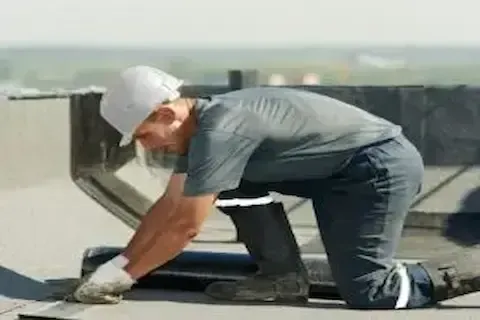
Commercial Roof Maintenance in Maple Grove MN Primer
Commercial property owners in Maple Grove understand that their roof represents one of their largest infrastructure investments. A comprehensive maintenance program protects that investment while ensuring operational continuity and regulatory compliance. Professional maintenance extends membrane life, preserves manufacturer warranties, and prevents minor issues from escalating into costly emergency repairs that can disrupt business operations.
Essential Components of Commercial Roof Maintenance
A proper commercial roof maintenance program encompasses systematic inspections, preventive repairs, and detailed documentation. Professional technicians conduct thorough evaluations of membrane integrity, examining seams, penetrations, and drainage systems. They assess flashing conditions around HVAC units, vents, and roof-mounted equipment that create potential vulnerability points.
Drainage system maintenance forms a critical component, involving gutter cleaning, downspout inspection, and drain clearing. Accumulated debris can cause water pooling, leading to membrane deterioration and structural stress. Regular cleaning prevents these issues while ensuring proper water flow during Minnesota's heavy spring rains and rapid snow melts.
Equipment inspections include examining roof-mounted HVAC systems, satellite dishes, and safety equipment for secure mounting and proper weatherproofing. Loose equipment can damage membranes during high winds, while improperly sealed penetrations create leak pathways. Technicians also evaluate safety features like guardrails and roof access points to ensure compliance with OSHA standards.
Documentation requirements include detailed inspection reports, photographic records, and maintenance logs. These records prove essential for warranty claims and insurance purposes. Many Maple Grove businesses require this documentation for compliance audits and property management reporting.
Seasonal Maintenance Considerations
Spring maintenance focuses on winter damage assessment and preparation for the active construction season. Technicians inspect for freeze-thaw damage, ice dam impacts, and snow load stress. They examine membrane flexibility after extreme cold exposure and check for expanded seams or cracked sealants. Spring cleaning removes accumulated debris and prepares drainage systems for increased precipitation.
Summer maintenance emphasizes UV protection and thermal stress management. High temperatures can cause membrane expansion and accelerated aging. Technicians apply protective coatings where needed and inspect for heat-related deterioration. They also service HVAC equipment to ensure optimal performance during peak cooling demands, reducing roof-mounted equipment stress.
Fall preparation involves comprehensive weatherproofing and winterization. Teams secure loose materials, clean drainage systems thoroughly, and inspect heating equipment. They examine membrane condition before freeze cycles begin and address any vulnerabilities that could worsen during winter months.
Winter maintenance includes snow load monitoring and ice prevention. Excessive accumulation can exceed structural limits, while ice dams create water infiltration risks. Professional teams safely remove dangerous accumulations and maintain critical drainage paths. Commercial Preventative Maintenance programs include emergency response protocols for severe weather events.
For more on this, see our post on how often to maintain a commercial roof.
Membrane-Specific Maintenance Requirements
Different roofing systems require specialized maintenance approaches. EPDM membranes need regular cleaning with approved solutions and periodic seam inspections. UV exposure can cause surface chalking, while ponding water accelerates deterioration. Professional maintenance includes elastomer conditioning and seam reinforcement as needed.
TPO and PVC membranes require heat-welded seam monitoring and chemical compatibility assessments. These thermoplastic materials expand and contract significantly with temperature changes, stressing seam integrity. Maintenance teams use specialized equipment to test seam strength and reweld compromised areas. They also protect against chemical damage from HVAC condensate or industrial processes.
Modified bitumen systems need granule replacement and torch-down area inspection. Weather exposure gradually degrades surface granules, reducing UV protection. Maintenance includes regranulating worn areas and reinforcing torch-applied seams. Teams also monitor for substrate moisture that can cause blistering and membrane failure.
Built-up roofing requires aggregate maintenance and ply bond monitoring. Multiple layers create complex failure modes requiring experienced evaluation. Professional maintenance includes leak tracing, partial ply replacement, and surface recoating. These systems benefit significantly from proactive care given their complexity and repair difficulty.
Cost-Benefit Analysis of Preventive Programs
Professional maintenance programs typically cost 2-4% of replacement value annually while extending roof life by 40-60%. This represents substantial savings compared to premature replacement costs. Emergency repairs average 3-5 times more than planned maintenance addressing the same issues. Business interruption costs from major leaks often exceed the repair costs themselves.
Warranty preservation provides additional value through manufacturer coverage maintenance. Most commercial warranties require documented professional maintenance to remain valid. Failure to maintain proper programs can void coverage worth thousands of dollars. Regular maintenance also qualifies properties for preferred insurance rates and reduced deductibles.
Energy efficiency improvements result from proper membrane condition and reflectivity maintenance. Clean, well-maintained roofs reduce cooling costs by maintaining design thermal performance. Coating applications and debris removal can improve building energy ratings and operational efficiency. Some Maple Grove utility programs offer rebates for energy-efficient roof maintenance.
Property value protection stems from demonstrable building care and system longevity. Well-documented maintenance programs indicate responsible ownership and reduce buyer concerns during property transactions. Properties with comprehensive maintenance histories command higher sale prices and attract quality tenants who recognize operational reliability.
Common Maintenance Oversights
Many property owners focus solely on visible problems while ignoring systematic deterioration. Membrane aging occurs gradually and requires professional assessment to identify. Surface appearance can be misleading, with serious structural issues developing beneath apparently sound membranes. Professional inspections detect these hidden problems before they become emergencies.
Drainage system neglect represents the most costly oversight in commercial roof maintenance. Property owners often underestimate debris accumulation rates and cleaning frequency needs. Minnesota's seasonal leaf fall and industrial particulates require more frequent attention than many realize. Blocked drains can cause catastrophic water damage within hours during heavy storms.
Equipment mounting maintenance gets overlooked until problems become severe. HVAC vibration gradually loosens fasteners and degrades seals around penetrations. Regular tightening and seal renewal prevents major leaks and equipment damage. Many emergency calls result from preventable equipment-related failures.
Documentation gaps create warranty and insurance complications when problems arise. Many property owners perform maintenance but fail to document it properly. Insurance claims require detailed records of preventive care, while warranty claims need manufacturer-specified maintenance proof. Proper documentation prevents claim denials and speeds resolution processes.
Professional Service Selection Criteria
Qualified commercial roof maintenance requires specialized training and certification. Look for contractors with manufacturer certifications for your specific roof type. These certifications ensure technicians understand proper materials and procedures for your system. National Roofing Contractors Association membership indicates professional commitment and continuing education.
Insurance and bonding requirements protect property owners from liability and ensure contractor reliability. Comprehensive general liability coverage should include completed operations protection. Workers' compensation coverage protects against on-site injury claims. Bonding provides financial protection if contractors fail to complete contracted work properly.
Local experience matters significantly for commercial maintenance in Maple Grove's climate conditions. Contractors familiar with Minnesota weather patterns understand seasonal maintenance timing and regional challenges. They stock appropriate materials for quick repairs and maintain relationships with local suppliers for efficient service delivery.
Service agreement terms should specify inspection frequencies, response times, and covered services clearly. Emergency response availability during business hours prevents minor issues from becoming major problems. Clear pricing structures help budget for maintenance costs and avoid surprise charges. epdm roofing systems property owners particularly benefit from specialized service agreements addressing membrane-specific needs.
Technology Integration in Modern Maintenance
Digital documentation systems streamline maintenance records and improve accessibility. Cloud-based platforms allow real-time report updates and instant access from multiple locations. Property managers can review inspection results immediately and track maintenance histories efficiently. Digital records integrate with property management software for comprehensive facility oversight.
Drone technology enables safe, comprehensive roof inspections without human access risks. High-resolution cameras detect membrane problems invisible from ground level. Thermal imaging identifies moisture infiltration and insulation problems before visible damage appears. Drone surveys document conditions accurately while reducing inspection time and costs.
Moisture detection systems provide early warning of infiltration problems. Electronic sensors monitor membrane integrity continuously and alert maintenance teams to developing issues. These systems prevent minor leaks from causing major damage by enabling immediate response. Some insurance carriers offer premium discounts for properties with comprehensive monitoring systems.
Predictive maintenance software analyzes historical data to optimize service timing and resource allocation. These systems identify patterns in equipment failure and membrane deterioration to prevent problems. Maintenance scheduling becomes more efficient while reducing unnecessary service calls. Integration with building management systems provides comprehensive facility oversight.
