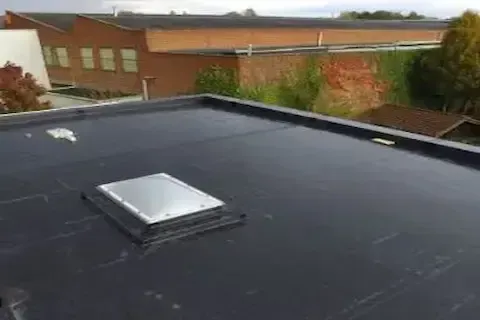
EPDM Roofing Systems for Maple Grove MN Property Owners
Understanding EPDM Roofing Technology
EPDM (Ethylene Propylene Diene Monomer) represents one of the most proven single-membrane roofing technologies available to commercial property owners in Maple Grove. This synthetic rubber membrane has dominated flat and low-slope commercial roofing for over five decades, earning recognition for its weather resistance and longevity in Minnesota's challenging climate conditions.
The membrane itself consists of a synthetic rubber compound that remains flexible across temperature extremes, from Minnesota's sub-zero winters to intense summer heat. EPDM systems typically arrive in large sheets, reducing the number of seams required across your roof surface. Standard membrane thicknesses range from 45 mil to 90 mil, with 60 mil being the most common specification for commercial applications.
Your EPDM system's performance depends heavily on proper installation techniques and quality control during the attachment process. The membrane bonds to insulation boards or directly to structural decking using adhesives, mechanical fasteners, or ballasted systems. Each attachment method offers distinct advantages depending on your building's structural capacity, local wind loads, and long-term maintenance preferences.
Installation Methods and Attachment Systems
Fully adhered EPDM installations create continuous contact between the membrane and substrate using contact cement or water-based adhesives. This method provides excellent wind uplift resistance and creates a smooth, professional appearance. The adhesive application requires precise timing and weather conditions, making contractor experience crucial for successful installation.
Mechanically attached systems use specialized fasteners and plates to secure the membrane to the deck structure. This approach works well when structural limitations prevent heavy ballast loads or when quick installation timelines are critical. EPDM Roofing Systems installed with mechanical attachment offer reliable performance when properly designed for local wind conditions.
Ballasted systems rely on stone or concrete pavers to hold the membrane in place through weight rather than adhesives or fasteners. River rock ballast typically requires 10-15 pounds per square foot, while concrete pavers may require 18-25 pounds per square foot. Your building's structural engineer must verify adequate load capacity before selecting ballasted installation.
For more on this, see our post on ballasted EPDM retrofits in Maple Grove office parks.
Seam Performance and Longevity Considerations
EPDM seam integrity determines your roof system's long-term water resistance and overall performance. Field seams occur where membrane sheets overlap, typically sealed using contact cement, splice tape, or liquid-applied sealants. The quality of seam preparation and installation directly impacts your roof's ability to resist water infiltration over its service life.
Temperature conditions during installation significantly affect seam performance. Cold weather installations require modified procedures and may limit adhesive options, while hot weather can accelerate adhesive setup times beyond workable limits. Experienced contractors plan installation schedules around Minnesota weather patterns to optimize seam quality.
Seam inspection and maintenance become increasingly important as your EPDM system ages. Regular inspection identifies potential separation or adhesive deterioration before water infiltration occurs. Professional seam evaluation should occur annually, with detailed documentation of any repairs or maintenance performed on critical seam areas.
Weather Resistance in Minnesota Climate
Minnesota's temperature extremes test EPDM membrane flexibility and durability throughout each seasonal cycle. Quality EPDM maintains elasticity from -40°F winter lows to 180°F summer surface temperatures, preventing cracking or splitting that compromises water resistance. The membrane's thermal movement characteristics accommodate building expansion and contraction without stress concentration at attachment points.
UV resistance plays a crucial role in EPDM longevity, particularly given Minnesota's intense summer sun exposure. Carbon black loading in EPDM formulations provides excellent UV protection, preventing polymer degradation that leads to membrane brittleness and premature failure. Proper formulation maintains membrane flexibility for decades despite continuous UV exposure.
Hail resistance varies significantly based on membrane thickness and substrate conditions. Thicker EPDM membranes provide better puncture resistance, while proper insulation backing helps distribute impact loads. Property owners in Maple Grove should consider local hail frequency when selecting membrane thickness specifications and evaluating comprehensive insurance coverage.
Common Installation Problems and Prevention
Inadequate surface preparation creates adhesion problems that manifest as membrane bubbling, lifting, or premature seam failure. Substrate surfaces must be clean, dry, and properly primed before membrane installation. Moisture trapped beneath the membrane during installation can cause long-term adhesion problems and potential mold growth within the roof assembly.
Incorrect seam preparation represents the most frequent cause of EPDM system failure. Seam areas require thorough cleaning with approved solvents to remove manufacturing residues and contaminants. Rushed installation schedules often compromise seam preparation quality, leading to premature water infiltration and costly repairs.
Flashing details around penetrations, roof edges, and equipment require careful integration with the EPDM membrane system. commercial roof repair in Maple Grove frequently involves flashing problems that developed during original installation. Proper flashing design accounts for thermal movement, weather exposure, and maintenance accessibility.
Maintenance Requirements and Service Life
Preventive maintenance extends EPDM system service life significantly beyond the typical 20-25 year expectancy. Regular debris removal prevents ponding water and reduces biological growth that can degrade membrane surfaces. Quarterly inspections identify minor problems before they require extensive repairs or premature replacement.
Seam maintenance becomes increasingly critical as EPDM systems age beyond the 15-year mark. Annual seam inspection and touch-up repairs maintain water resistance and prevent extensive damage to interior building components. Professional maintenance programs document system condition and provide early warning of approaching replacement needs.
Penetration sealing requires ongoing attention throughout your EPDM system's service life. Equipment vibration, thermal cycling, and weathering gradually compromise sealant adhesion around roof penetrations. Systematic sealant replacement every 5-7 years prevents water infiltration that can cause extensive structural damage.
Cost Considerations and Value Analysis
Initial EPDM installation costs typically fall in the middle range of commercial roofing options, below modified bitumen and spray polyurethane foam systems but above some built-up roofing alternatives. Material costs remain relatively stable, while installation labor requirements vary based on attachment method and roof complexity.
Long-term value analysis must consider maintenance costs, energy performance, and service life expectations. EPDM's proven track record in Minnesota climate conditions provides predictable performance data for financial planning. Energy costs may be higher than reflective membrane systems unless white EPDM or reflective coatings are specified.
Repair costs for EPDM systems generally remain moderate compared to other commercial roofing technologies. Membrane patches, seam repairs, and flashing adjustments use readily available materials and standard techniques. Emergency repairs can often be completed quickly to minimize business disruption during critical weather events.
Professional Selection and Quality Assurance
Contractor experience with EPDM systems directly impacts installation quality and long-term performance. Established contractors maintain relationships with membrane manufacturers and stay current with evolving installation techniques. Manufacturer training certification provides some assurance of technical competency, though actual project experience remains the most reliable indicator.
Quality control during installation requires systematic inspection of surface preparation, adhesive application, seam construction, and flashing details. Independent roof consultants can provide objective quality assurance for critical installations, identifying problems before they compromise system performance. Documentation of installation procedures supports warranty claims and future maintenance decisions.
Warranty coverage varies significantly between manufacturers and installation contractors. Material warranties typically cover membrane defects for 10-20 years, while installation warranties may range from 5-10 years depending on contractor confidence and project specifications. Extended warranty options often require annual maintenance inspections and documentation to remain valid.
Still weighing your options? Our side-by-side on how TPO and EPDM compare head-to-head breaks down cost, seams, and freeze-thaw performance for Minnesota buildings.
