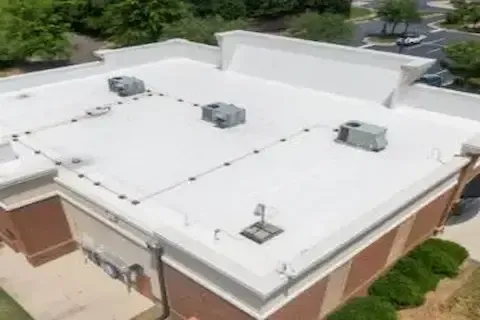
Flat Roof Replacement for Retail Buildings Maple Grove
Maple Grove's retail corridor along Highway 94 and Elm Creek Boulevard showcases decades of commercial development, with many buildings constructed during the 1980s and 1990s retail boom now approaching critical roof replacement timelines. Property owners managing these aging retail spaces face unique challenges when planning flat roof replacements, particularly given the high-traffic nature of retail operations and the need to maintain business continuity during construction phases.
Understanding Retail Flat Roof Replacement Needs
Commercial retail buildings in Maple Grove typically feature modified bitumen or EPDM flat roofing systems that were designed with 20-25 year lifespans. Buildings constructed during the initial retail development phases are now showing clear signs of membrane deterioration, including ponding water issues, membrane cracking, and compromised seam integrity. Retail property owners must balance replacement timing with tenant lease obligations and seasonal business cycles.
The flat roof replacement process for retail buildings requires careful coordination with multiple tenants, each operating on different schedules and seasonal patterns. Unlike single-tenant buildings, retail centers demand phased replacement approaches that minimize disruption to individual businesses while maintaining proper water management across the entire roof system.
Timing Considerations for Retail Properties
Successful retail flat roof replacement projects in Maple Grove require strategic timing that considers both weather patterns and business operations. The optimal window typically falls between late spring and early fall, avoiding the harsh Minnesota winter months while also steering clear of peak retail seasons like back-to-school shopping and holiday periods.
Property managers should begin planning replacement projects 12-18 months in advance, allowing time for tenant notifications, permit acquisitions, and contractor scheduling. This extended timeline becomes particularly important for Commercial Flat Roof Replacement projects involving multiple retail units, where coordination with individual tenant requirements adds complexity to the scheduling process.
Early morning construction starts, typically between 6:00 AM and 7:00 AM, help minimize noise impact during peak shopping hours while taking advantage of cooler temperatures for membrane installation. Weekend work may be necessary for certain phases, though this requires careful coordination with tenant operating schedules and local noise ordinances.
Material Selection for Retail Applications
Retail flat roof replacements in Maple Grove benefit from membrane systems that offer superior durability and energy efficiency. TPO (Thermoplastic Polyolefin) membranes have gained popularity for retail applications due to their white reflective surface, which reduces cooling costs for businesses with significant HVAC demands like restaurants and grocery stores.
Modified bitumen systems remain viable options for retail properties, particularly when budget constraints are primary concerns. These systems offer proven performance in Minnesota's climate extremes and can be installed with minimal disruption to ongoing business operations. The torch-applied installation process, however, requires additional safety precautions around active retail operations.
EPDM rubber roofing provides excellent longevity for retail applications, with properly installed systems lasting 25-30 years. The material's flexibility handles the thermal expansion and contraction common in retail buildings with varying internal temperatures across different tenant spaces.
Managing Business Disruption During Replacement
Retail tenants face unique challenges during roof replacement projects, with concerns ranging from noise disruption to potential interior water damage. Property owners must develop comprehensive protection plans that include temporary covering systems for active work areas and clear communication protocols with all affected businesses.
Restaurants and food service establishments require special consideration during replacement projects, as health department regulations may restrict operations during certain construction phases. Advance coordination with local health inspectors helps ensure compliance while minimizing business interruption.
Retail businesses with sensitive inventory, such as electronics stores or pharmacies, may need temporary relocation options for high-value merchandise during active construction phases. Property managers should explore temporary storage solutions and adjusted operating schedules to accommodate these needs.
Common Mistakes in Retail Roof Replacement Planning
Many retail property owners underestimate the complexity of coordinating multiple tenant needs during roof replacement projects. Failure to provide adequate advance notice, typically 60-90 days minimum, can result in tenant disputes and potential lease complications.
Inadequate temporary weather protection represents another frequent oversight in retail roof replacement projects. Unlike warehouse or office buildings, retail spaces often contain temperature-sensitive merchandise and electronic systems that require enhanced protection during construction phases.
Choosing the lowest-cost contractor without proper vetting of retail experience can lead to significant problems. Retail roof replacement requires specialized knowledge of business continuity needs and tenant coordination that general commercial roofing contractors may lack.
Maple Grove Specific Considerations
Local building codes in Maple Grove require specific permit procedures for commercial roof replacement projects, with additional requirements for retail buildings that may involve structural modifications or drainage improvements. The city's commercial building inspection process typically requires multiple inspection phases that must be coordinated with ongoing business operations.
Maple Grove's retail corridors benefit from the city's business-friendly approach to construction projects, with expedited permitting available for projects that demonstrate minimal business disruption plans. Property owners should work with contractors familiar with local permitting processes to ensure smooth project progression.
The proximity to major retail competitors in surrounding communities makes business continuity during roof replacement particularly critical for Maple Grove retail properties. Customers have numerous alternative shopping options, making any extended business interruption potentially costly for individual tenants.
Professional Coordination and Project Management
Successful retail flat roof replacement projects require experienced project managers who understand both roofing technical requirements and retail business operations. Professional contractors specializing in retail work maintain detailed scheduling systems that accommodate tenant-specific needs while ensuring proper roof installation procedures.
Regular progress meetings with property managers and key tenants help maintain clear communication throughout the replacement process. These meetings should address upcoming work phases, potential disruptions, and any adjustments needed based on weather or unforeseen conditions.
Quality retail roofing contractors provide comprehensive documentation throughout the replacement process, including daily progress reports, photo documentation, and tenant impact summaries. This documentation proves valuable for property management records and potential insurance considerations related to commercial flat roof replacement projects.
Long-term Value and Maintenance Planning
Retail property flat roof replacements represent significant capital investments that should be evaluated based on long-term property value and tenant satisfaction considerations. High-quality membrane systems with proper installation can enhance property marketability and support higher lease rates through improved energy efficiency and reduced maintenance requirements.
Establishing preventive maintenance programs following roof replacement helps maximize system lifespan and maintain warranty coverage. Regular inspections, particularly after severe weather events common in Minnesota, protect both property owner investments and tenant business operations.
Property owners should document all replacement work thoroughly, including material specifications, installation procedures, and warranty information. This documentation supports future maintenance planning and provides valuable information for potential property sales or refinancing activities.
To see how this plays out on a specific corridor, read about the Arbor Lakes retail replacement cycle and how owners there are planning around tenants and parking.
