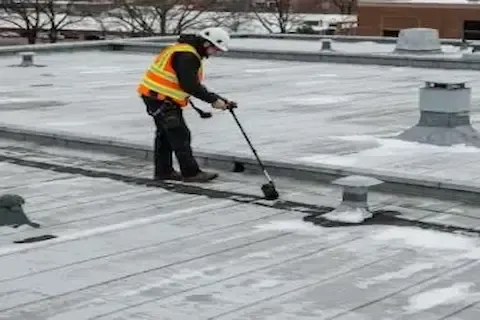
Hennepin County Commercial Roof Inspection Frequency
Commercial property owners in Hennepin County face unique roofing challenges that demand a strategic approach to inspection scheduling. The frequency of your commercial roof inspections directly impacts your building's longevity, insurance coverage, and operational costs. Understanding when and why to schedule these critical assessments can save you thousands in emergency repairs while ensuring your business remains protected year-round.
Standard Commercial Roof Inspection Intervals
Most commercial roofing systems require professional inspection twice annually, typically in spring and fall. This biannual schedule allows you to address winter damage before summer heat intensifies problems and prepare your roof for harsh Minnesota winters. However, your specific inspection frequency should align with several key factors including roof age, material type, and local weather exposure.
Newer commercial roofs under five years old may require only annual inspections if they're performing well and covered by comprehensive warranties. Conversely, roofs approaching or exceeding their expected lifespan need quarterly assessments to catch deterioration before it becomes catastrophic. The intense freeze-thaw cycles common in Maple Grove and surrounding Hennepin County areas accelerate membrane fatigue, making frequent monitoring essential.
Your building's usage also influences inspection timing. High-traffic facilities with frequent rooftop equipment access, restaurants with grease-producing ventilation systems, or manufacturing buildings with chemical exposure need more frequent professional evaluations than standard office buildings.
Roof Age and Material-Specific Requirements
Different roofing materials demand tailored inspection schedules based on their vulnerability to Minnesota's climate extremes. EPDM rubber membranes typically maintain stability for fifteen to twenty years but require careful seam monitoring during their first decade. TPO roofing systems, increasingly popular in commercial applications, need attention to heat-welded joints and membrane shrinkage issues that can develop within five to seven years.
Modified bitumen systems common on older Hennepin County commercial buildings require more frequent inspection as they age, particularly around penetrations and flashing details. Metal roofing systems generally need less frequent assessment but demand careful attention to fastener integrity and thermal movement joints that can loosen over time.
Built-up roofing systems, still present on many established commercial properties throughout Maple Grove, require the most vigilant monitoring schedule. These multi-layer systems can develop problems between layers that aren't immediately visible, making professional Commercial Roof Inspection Services crucial for early problem detection.
Weather-Related Inspection Triggers
Beyond scheduled intervals, specific weather events should prompt immediate professional assessment. Hailstorms, which frequently impact the Twin Cities metro area during summer months, can cause immediate damage that compromises your roof's integrity. Wind speeds exceeding fifty miles per hour can lift membrane edges, damage flashing, and shift rooftop equipment.
Heavy snow loads, particularly common during Minnesota winters, stress structural elements and can reveal weak points in your roofing system. Ice dam formation, while more common on residential structures, can also affect low-slope commercial buildings with inadequate drainage or insulation issues.
Warranty and Insurance Considerations
Your roof warranty terms often dictate minimum inspection requirements that you must follow to maintain coverage. Most commercial roofing warranties require annual professional inspections with documented reports submitted to the manufacturer or contractor. Failing to meet these requirements can void your warranty protection, leaving you financially responsible for premature failures.
Insurance companies increasingly require regular inspection documentation for commercial properties, especially as buildings age beyond ten years. Some insurers offer premium discounts for properties with documented preventive maintenance programs that include regular professional roof assessments.
Understanding your warranty's specific requirements helps you schedule inspections strategically. Some warranties require inspections within specific timeframes after installation, while others mandate seasonal timing to coincide with peak stress periods.
Cost-Benefit Analysis of Inspection Frequency
While more frequent inspections increase your annual maintenance budget, they typically reduce overall lifecycle costs through early problem detection. Minor membrane repairs caught during routine inspection cost hundreds of dollars, while emergency leak repairs during business hours can reach thousands and include interior damage claims.
Consider the true cost of roof failure beyond repair expenses. Business interruption, inventory damage, and customer inconvenience can far exceed the roofing repair costs themselves. Regular inspections provide predictable maintenance budgeting and prevent unexpected capital expenditures that can strain your business finances.
Properties with older roofing systems often benefit from quarterly inspections during the final years of expected lifespan. This increased frequency helps you plan replacement timing strategically rather than responding to emergency failures during peak business periods.
Local Climate Impact on Inspection Timing
Hennepin County's continental climate creates specific challenges that influence optimal inspection timing. Spring inspections should occur after the final thaw but before summer heat intensifies. This timing allows you to address ice damage, check drainage systems before spring rains, and ensure your roof is prepared for summer thermal cycling.
Fall inspections become critical for winter preparation, focusing on drainage clearance, sealant condition, and membrane integrity before freezing temperatures arrive. The severe temperature swings common in this region cause materials to expand and contract repeatedly, accelerating joint failures and membrane stress.
Many experienced property managers in Maple Grove schedule additional mid-winter checks during warm spells when roof access is safely possible. These brief assessments can identify ice damage or snow load issues before they cause structural problems.
Professional vs. Internal Inspection Capabilities
While your maintenance staff can perform basic visual checks and drainage maintenance, professional commercial roof inspection in Hennepin County provides expertise that internal teams typically lack. Professional inspectors use specialized equipment to detect moisture intrusion, measure membrane thickness, and identify problems invisible to untrained observers.
Thermal imaging equipment reveals heat loss patterns and moisture accumulation that can indicate insulation problems or hidden leaks. Professional-grade moisture meters detect water intrusion before visible damage occurs, allowing preventive intervention rather than reactive repairs.
Professional inspections also provide documentation that satisfies warranty requirements and insurance obligations. Detailed reports with photographic evidence create valuable records for future reference and can support insurance claims if storm damage occurs.
Developing Your Inspection Schedule
Creating an effective inspection schedule requires balancing your roof's specific needs with budget constraints and operational requirements. Start by documenting your roof's age, material type, warranty requirements, and historical performance. This baseline information guides frequency decisions and helps you anticipate future needs.
Consider seasonal business patterns when scheduling inspections. Retail properties might prefer spring and fall timing to avoid peak shopping periods, while educational facilities often schedule summer inspections when buildings have reduced occupancy.
Maintain detailed records of each inspection, including recommendations, repairs completed, and problems identified. This documentation helps you track your roof's condition trends and provides valuable information for future replacement planning. Regular professional assessment ensures your commercial property remains protected while maximizing your roofing investment's return throughout its expected lifespan.
