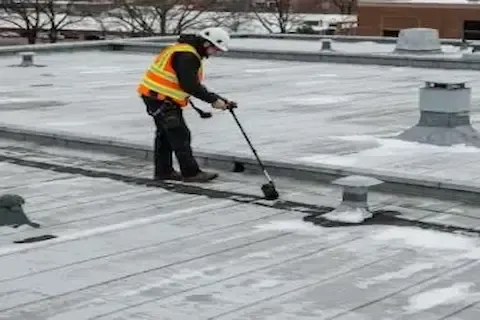
Commercial Roof Inspection in Maple Grove MN Overview
Commercial roof inspections serve as your primary defense against costly structural damage and unexpected repair expenses. Professional inspectors evaluate every component of your roofing system, from the structural deck to surface membranes, identifying potential issues before they escalate into major problems. Understanding what constitutes a thorough commercial roof inspection helps property owners make informed decisions about maintenance schedules and capital improvements.
Comprehensive Roof System Assessment
A professional commercial roof inspection encompasses far more than a simple visual check of the roof surface. Qualified inspectors systematically evaluate the structural deck, examining load-bearing capacity and identifying signs of deterioration or damage. They assess the insulation layer for proper installation, moisture intrusion, and thermal performance characteristics that directly impact energy efficiency.
The membrane evaluation forms the core of any inspection process. Inspectors examine seam integrity, surface wear patterns, and material degradation across the entire roof area. They document punctures, tears, blistering, or splitting that could allow water penetration. For modified bitumen systems, they check granule loss and membrane adhesion. Single-ply systems require assessment of seam strength and material flexibility.
Flashing inspection receives particular attention due to its critical role in weatherproofing. Inspectors evaluate flashing around penetrations, roof edges, and transitions between different roof sections. They check for proper installation, adequate overlap, and signs of separation or corrosion. Base flashing, counter flashing, and cap flashing all undergo scrutiny for structural integrity and weatherproofing effectiveness.
Drainage System Evaluation
Effective drainage prevents water accumulation that leads to membrane failure and structural damage. Inspectors evaluate roof slopes to ensure proper water flow toward designated drainage points. They identify low spots or reverse slopes that create ponding conditions, measuring standing water depth and duration after precipitation events.
Drain inspection includes checking inlet screens for debris accumulation and proper installation. Inspectors examine drain bodies for cracks, corrosion, or separation from the roof membrane. They verify that drain connections maintain watertight seals and that overflow drains function as designed. Gutter systems undergo evaluation for proper pitch, secure attachment, and adequate capacity for expected rainfall volumes.
Downspout assessment ensures proper water conveyance away from the building foundation. Inspectors check for blockages, damaged sections, or improper discharge locations that could cause water to pool near the structure. They verify that all drainage components work together as an integrated system capable of handling design storm loads.
Penetration and Equipment Analysis
Roof penetrations represent the highest risk areas for water intrusion. Inspectors carefully examine sealing around HVAC units, exhaust fans, plumbing vents, and electrical conduits. They assess the condition of penetration boots, pipe flashings, and equipment curbs for proper installation and weatherproofing integrity.
HVAC equipment inspection includes checking unit supports for proper load distribution and vibration isolation. Inspectors verify that equipment installation maintains adequate clearances and does not compromise membrane integrity. They examine refrigerant lines, electrical connections, and condensate drainage for potential leak sources or installation defects.
Specialized penetrations like skylights, access hatches, and roof drains receive detailed attention. Inspectors evaluate glazing seals, frame condition, and surrounding flashing systems. They check for proper installation techniques that prevent thermal movement stress and maintain long-term weatherproofing performance.
Safety and Code Compliance Assessment
Commercial roof inspections include evaluation of safety features required by building codes and OSHA regulations. Inspectors check fall protection anchor points for proper installation and load capacity. They examine guardrail systems, warning lines, and safety net attachments where applicable to rooftop access and maintenance activities.
Commercial Roof Inspection Services must verify compliance with local building codes and fire safety requirements. This includes checking fire-rated assemblies, emergency access provisions, and smoke evacuation systems. Inspectors document any code violations or safety deficiencies that require correction.
Accessibility compliance becomes increasingly important for commercial properties. Inspectors evaluate rooftop pathways, equipment access routes, and maintenance platforms for ADA compliance where required. They check for proper lighting, non-slip surfaces, and clear identification of potential hazards.
Environmental and Weather Impact Evaluation
Minnesota's harsh winter climate creates unique challenges for commercial roofing systems. Inspectors evaluate ice dam formation potential around roof edges and drainage areas. They check for adequate insulation and ventilation that prevents freeze-thaw cycles from damaging membrane materials. Snow load calculations help determine if additional structural support may be necessary.
Wind uplift resistance receives careful attention given Maple Grove's exposure to severe weather events. Inspectors verify proper membrane attachment, edge securement, and ballast distribution for systems designed to resist wind forces. They identify loose or damaged components that could fail during high-wind conditions.
Hail damage assessment requires specialized knowledge of impact patterns and material responses. Inspectors look for granule loss, membrane bruising, or equipment damage that may not be immediately visible but could lead to premature system failure. They document impact locations and severity for insurance claim documentation.
Documentation and Reporting Standards
Professional inspection reports provide detailed documentation of all findings with photographic evidence and location mapping. Inspectors create comprehensive condition assessments that include immediate repair needs, preventive maintenance recommendations, and long-term capital planning guidance. They prioritize issues based on severity and potential impact on building operations.
Digital documentation systems allow for accurate record keeping and trend analysis over multiple inspection cycles. Inspectors utilize moisture detection equipment, thermal imaging, and core sampling when necessary to provide accurate condition assessments. They maintain detailed measurement records and material specifications for future reference.
TPO roof installation buildings require specific inspection protocols that address single-ply membrane characteristics and installation methods. Reports include warranty compliance verification and manufacturer-specific maintenance requirements that protect system performance guarantees.
Technology Integration and Advanced Diagnostics
Modern commercial roof inspections increasingly rely on advanced diagnostic tools for accurate condition assessment. Thermal imaging cameras detect moisture intrusion, insulation defects, and air leakage patterns not visible during standard visual inspections. Infrared technology helps identify problem areas before they manifest as obvious damage.
Moisture detection equipment provides quantitative measurements of membrane and insulation moisture content. Nuclear moisture meters and electrical impedance scanners help pinpoint wet areas that require immediate attention. Core sampling confirms moisture findings and provides material samples for laboratory analysis when necessary.
Drone technology enables safe inspection of large commercial roofs and hard-to-reach areas. High-resolution cameras and specialized sensors provide detailed documentation while reducing inspector exposure to fall hazards. Digital mapping capabilities help create accurate condition surveys for large, complex roof systems.
Preventive Maintenance Planning
Inspection findings form the foundation for effective preventive maintenance programs. Inspectors recommend cleaning schedules, minor repair procedures, and component replacement timelines based on observed conditions and manufacturer specifications. They identify maintenance activities that property staff can perform versus tasks requiring professional contractors.
Seasonal maintenance recommendations address Minnesota's climate challenges with specific timing for critical activities. Fall inspections prepare systems for winter weather, while spring evaluations assess winter damage and prepare for summer heat stress. Inspectors coordinate maintenance schedules with building operations to minimize disruption.
Budget planning benefits from accurate inspection data that predicts component replacement needs and system lifecycle costs. Inspectors provide multi-year maintenance projections that help property owners allocate resources effectively. They identify opportunities for system upgrades that improve performance and reduce long-term operating costs.
Regular commercial roof inspections protect your Maple Grove property investment through early problem detection and systematic maintenance planning. Professional inspectors provide the expertise and documentation necessary to maintain optimal roof performance while complying with safety codes and manufacturer requirements. Their comprehensive evaluations help property owners make informed decisions about repairs, replacements, and capital improvements that ensure long-term building protection.
For more on this, see our post on how often a flat roof should be inspected.
