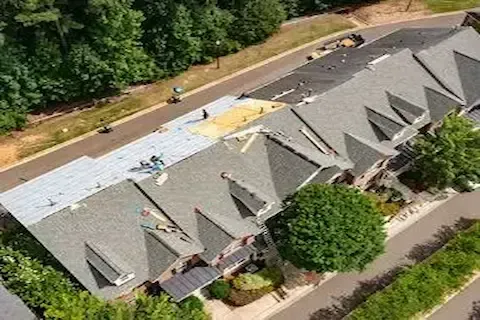
Maple Grove HOA Roof Replacement Board Decision Process
Deciding when and how to replace your HOA's roof represents one of the most significant financial decisions your board will make. This comprehensive guide walks you through the entire decision-making process, from initial assessment through final contractor selection, ensuring your Maple Grove community makes informed choices that protect both property values and homeowner interests.
Reserve Study Analysis and Financial Planning
Begin your roof replacement evaluation by reviewing your current reserve study. Most HOA reserve studies include roofing components with projected replacement timelines based on expected useful life. Compare your roof's current age and condition against these projections to determine if replacement timing aligns with your financial planning.
Calculate the total project cost against available reserves. If your reserve fund falls short of projected expenses, you'll need to consider special assessments or alternative financing options. Many Maple Grove HOAs successfully manage large roofing projects through phased replacement schedules that spread costs across multiple budget cycles.
Review your association's governing documents for any specific requirements regarding capital improvements or special assessments. Some CCRs require supermajority votes for expenditures exceeding certain thresholds, while others delegate roofing decisions entirely to the board's discretion.
Professional Roof Assessment and Documentation
Engage a qualified roofing professional to conduct a comprehensive roof assessment. This evaluation should include detailed documentation of current conditions, remaining useful life estimates, and repair versus replacement recommendations. Request a written report that includes photographs and specific observations about problem areas.
Consider hiring an independent roofing consultant rather than a contractor for this initial assessment. Independent consultants provide unbiased evaluations without sales motivations, giving your board objective information for decision-making.
Document all assessment findings thoroughly. This documentation serves multiple purposes: justifying the replacement decision to homeowners, supporting insurance claims if storm damage contributed to deterioration, and establishing baseline conditions for future maintenance planning.
Weather Damage Considerations
Minnesota's harsh winters and severe weather events can accelerate roof deterioration. If recent storms caused visible damage, consider filing an insurance claim before proceeding with replacement planning. Insurance proceeds can significantly offset project costs, though you'll need to coordinate timing carefully to avoid coverage gaps.
Bidding Process and Contractor Selection
Develop detailed specifications for your roofing project before soliciting bids. Specifications should include material requirements, workmanship standards, warranty terms, cleanup expectations, and project timeline requirements. Clear specifications ensure all bidders price the same scope of work, making meaningful comparisons possible.
Solicit bids from at least three qualified contractors experienced in HOA and Multi-Family Roofing projects. Verify each contractor's licensing, insurance coverage, and local references. Minnesota requires roofing contractors to carry specific insurance minimums, and your association should verify coverage levels exceed these requirements.
Evaluate bids based on total value rather than price alone. Consider material quality, warranty terms, project timeline, contractor experience with similar communities, and references from other HOA projects. The lowest bid rarely represents the best value for complex multi-family roofing installations.
Check references thoroughly by contacting other HOAs that used each contractor. Ask specific questions about project timeline adherence, quality of workmanship, responsiveness to concerns, and overall satisfaction with results.
Contract Terms and Protection
Negotiate contract terms that protect your association's interests. Include specific performance standards, penalty clauses for delayed completion, lien waiver requirements, and detailed change order procedures. Ensure the contract specifies cleanup responsibilities and property restoration requirements.
Owner Communication and Approval Process
Develop a comprehensive communication plan to keep homeowners informed throughout the decision process. Begin with an initial notice explaining the assessment findings and replacement necessity. Follow up with detailed information about the bidding process, financing options, and projected timeline.
Host an informational meeting where homeowners can ask questions about the project. Present assessment findings, contractor recommendations, and financing options clearly. Address concerns about special assessments, construction disruption, and material selections during this meeting.
If your governing documents require homeowner approval for roofing expenditures, prepare ballot materials that clearly explain the proposal. Include project specifications, cost breakdowns, financing terms, and voting instructions. Allow adequate time for homeowner review before the voting deadline.
For associations managing the process internally, understanding hoa and multi-family roofing basics helps boards ask informed questions and evaluate contractor proposals effectively.
Construction Management and Oversight
Establish clear communication protocols with your selected contractor before work begins. Designate a single board member or property manager as the primary contact to avoid confusion and ensure consistent information flow.
Schedule regular progress meetings throughout the construction phase. These meetings provide opportunities to address concerns, review completed work quality, and adjust timelines if necessary. Document all decisions and changes in writing to avoid misunderstandings.
Coordinate with homeowners regarding construction impact. Provide advance notice about noise, parking restrictions, and access limitations. Many Maple Grove HOAs find that proactive communication reduces complaints and maintains positive relationships during disruptive construction periods.
Quality Control and Inspections
Conduct regular inspections throughout the installation process. While your contractor should perform quality control checks, independent verification protects your association's interests. Consider hiring the same consultant who performed your initial assessment to conduct interim and final inspections.
Project Completion and Documentation
Require comprehensive documentation upon project completion. This should include warranty certificates, material specifications, installation photos, and maintenance recommendations. Organize these documents in your association's permanent files for future reference.
Conduct a final walkthrough with your contractor to identify any incomplete or unsatisfactory work before making final payment. Address all punch list items before releasing final payment and accepting the project as complete.
Update your reserve study to reflect the new roof installation. Adjust replacement timelines and projected costs based on actual project experience and current material standards.
