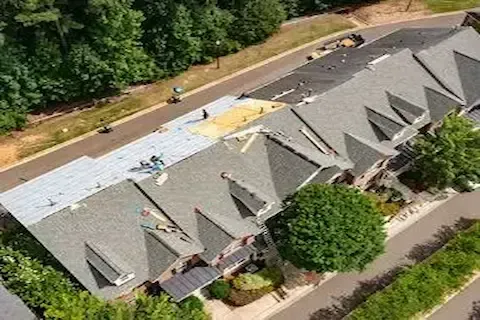
HOA and Multi-Family Roofing in Maple Grove MN Overview
Understanding HOA and Multi-Family Roofing Responsibilities
Managing roofing systems for homeowners associations and multi-family properties in Maple Grove requires a comprehensive understanding of both the technical and administrative challenges unique to community-owned buildings. Unlike single-family residential properties, HOA and multi-family roofing projects involve multiple stakeholders, complex decision-making processes, and significant financial planning considerations that can span several years.
The responsibility for maintaining and replacing roofing systems in these communities typically falls on the HOA board or property management company, who must balance the needs of individual residents with the overall financial health of the association. This responsibility extends beyond simple maintenance to include long-term strategic planning, vendor management, and ensuring compliance with local building codes and HOA governing documents.
In Maple Grove, the climate presents particular challenges for multi-unit roofing systems. The freeze-thaw cycles common to Minnesota winters can accelerate wear on roofing materials, while the area's occasional severe weather events require roofing systems that can withstand high winds and hail damage. These factors make proactive maintenance and timely replacement critical for protecting the community's investment.
Reserve Studies and Financial Planning
Effective financial planning for HOA roofing projects begins with a comprehensive reserve study that accurately assesses the current condition of roofing systems and projects future replacement needs. A professional reserve study should evaluate not only the visible components of the roof but also underlying structural elements, drainage systems, and insulation that contribute to the overall performance of the roofing assembly.
The reserve study process involves detailed inspections of each building within the community, documentation of current conditions, and development of a timeline for major maintenance and replacement activities. For communities in Maple Grove, this timeline must account for the accelerated aging that can occur due to harsh winter conditions and the potential for storm damage during severe weather seasons.
Board members should understand that reserve funding for roofing projects typically requires contributions over multiple years to accumulate sufficient funds for major replacements. The timing of these contributions can significantly impact monthly HOA fees, making it essential to balance adequate funding with affordability for residents. Professional reserve study providers can model different funding scenarios to help boards make informed decisions about assessment levels and timing.
Many successful HOA communities in the Twin Cities area maintain separate line items in their reserve funds specifically for roofing-related expenses, recognizing that these systems often represent the largest single capital expenditure the association will face. This dedicated approach to roofing reserves helps ensure that funds are available when needed and reduces the likelihood of special assessments.
For more on this, see our post on how an HOA funds a roof replacement.
Contractor Selection and Vetting Process
Selecting qualified contractors for HOA roofing projects requires a more rigorous vetting process than typical residential work due to the scale, complexity, and community impact of these projects. The contractor selection process should begin well before the actual need for replacement, allowing adequate time for thorough evaluation and competitive bidding.
Essential qualifications for HOA roofing contractors include proper licensing for commercial work in Minnesota, comprehensive general liability and workers' compensation insurance, and demonstrated experience with multi-family projects of similar size and complexity. Contractors should also maintain certifications from major roofing material manufacturers, which often provide extended warranty coverage that can benefit the community.
The bidding process for HOA projects should include detailed specifications that clearly define the scope of work, material requirements, project timeline, and performance standards. Boards should require contractors to provide references from recent HOA projects and conduct site visits to evaluate the quality of completed work. HOA and Multi-Family Roofing specialists understand the unique requirements of community-based projects and can provide valuable guidance throughout the selection process.
Financial stability of the contractor is particularly important for HOA projects, as these installations often involve significant upfront costs and extended project timelines. Boards should verify the contractor's bonding capacity, review financial statements when appropriate, and consider requiring performance bonds for larger projects to protect the community's investment.
Project Planning and Phasing Strategies
Large-scale HOA roofing projects often benefit from phased implementation strategies that distribute both the financial impact and disruption to residents over multiple years. Phasing can be organized by building, by roofing system type, or by priority based on condition assessments, depending on the specific needs and constraints of the community.
Building-by-building phasing is often the most practical approach for larger communities, as it allows for better management of resident disruption and enables the association to spread costs over multiple budget cycles. This approach also provides opportunities to evaluate contractor performance on initial phases before committing to additional work, reducing risk for the community.
Priority-based phasing focuses resources on the most critical needs first, addressing buildings or sections with the most severe deterioration or highest risk of failure. This strategy requires detailed condition assessments but can be more cost-effective by preventing emergency repairs and minimizing potential damage to building interiors.
Timeline considerations for Maple Grove HOA projects must account for seasonal weather constraints, as roofing work is typically most efficient during warmer months. Planning should begin at least 12-18 months before intended start dates to allow for contractor selection, permitting, material ordering, and resident communication. Early planning also provides flexibility to adjust timelines based on weather conditions or unforeseen complications.
Communication and Resident Management
Effective communication with residents throughout the roofing project lifecycle is essential for maintaining community support and minimizing disruptions. This communication should begin during the planning phases and continue through project completion, keeping residents informed about timelines, potential disruptions, and temporary restrictions that may affect their daily routines.
Initial communication should explain the need for roofing work, the selection process for contractors, and the expected timeline and budget for the project. Residents should understand how the project will be funded and any impact on HOA fees or special assessments. Transparency in these early communications helps build support for necessary expenditures and reduces resistance to temporary inconveniences.
During active construction phases, regular updates should inform residents about daily work schedules, parking restrictions, noise levels, and safety precautions. Many successful HOA roofing projects establish specific communication channels, such as dedicated email lists or bulletin boards, to ensure important information reaches all affected residents promptly.
Special considerations for resident communication include coordinating with property management companies when applicable, addressing concerns about pets and noise-sensitive residents, and establishing protocols for emergency situations or weather delays that may affect project timelines.
Material Selection and Performance Considerations
Material selection for HOA roofing projects requires balancing performance requirements, aesthetic considerations, long-term durability, and cost constraints across multiple building units. Unlike single-family installations, community roofing projects must consider the visual impact of material choices on property values and the overall appearance of the development.
Climate considerations for Maple Grove installations favor materials that can withstand freeze-thaw cycles, resist ice dam formation, and provide adequate insulation performance for energy efficiency. Architectural shingles remain popular for many HOA projects due to their balance of performance, appearance, and cost, while some communities opt for higher-performance materials like metal roofing or synthetic slate for enhanced durability.
Color and style consistency across community buildings is typically required by HOA covenants and local architectural review standards. Boards should verify that selected materials will remain available throughout multi-phase projects to ensure visual consistency, and consider ordering additional materials for future maintenance needs.
Warranty considerations become more complex for community projects, as material and workmanship warranties must be structured to protect the HOA entity rather than individual property owners. Professional contractors experienced with HOA work can help structure warranty agreements that provide appropriate protection for the community's investment while meeting manufacturer requirements.
Regulatory Compliance and Permit Requirements
HOA roofing projects in Maple Grove must comply with both local building codes and HOA governing documents, creating a dual layer of regulatory requirements that must be addressed during project planning. City of Maple Grove building permits are typically required for major roofing replacements, and the permit process should be initiated early to avoid project delays.
Building code compliance includes structural load requirements, fire safety standards, energy efficiency mandates, and proper installation techniques for roofing systems and related components. Contractors must be familiar with current Minnesota building codes and any local amendments specific to Maple Grove, as code violations can result in costly corrections and project delays.
HOA governing documents often include architectural review requirements that must be satisfied before beginning roofing work. These requirements may specify approved materials, colors, and installation methods, and typically require formal approval from the HOA's architectural review committee or board of directors before work can commence.
Professional coordination between contractors, HOA boards, and local building officials helps ensure compliance with all applicable requirements and smooth project execution. commercial roof inspection in advance of major projects can identify potential compliance issues and allow time for appropriate planning and corrections.
Quality Control and Project Oversight
Implementing effective quality control measures throughout HOA roofing projects protects the community's investment and ensures compliance with specifications and performance standards. Quality control should include both formal inspection processes and ongoing oversight by qualified representatives of the HOA or property management company.
Third-party inspection services provide independent verification of installation quality and compliance with project specifications. These inspections should occur at critical project milestones, including substrate preparation, material installation, and final completion, with documented reports provided to the HOA for their records.
Daily oversight by designated HOA representatives helps ensure that work progresses according to schedule and addresses any issues or concerns promptly. These representatives should maintain regular communication with project supervisors and document any changes or modifications to the original scope of work.
Final project acceptance should include comprehensive inspections, warranty documentation, and cleanup verification before releasing final payments to contractors. HOA boards should retain qualified professionals to conduct final inspections when they lack the technical expertise to evaluate complex roofing installations independently.
Long-Term Maintenance Planning
Successful HOA roofing management extends beyond initial installation to include comprehensive long-term maintenance programs that maximize the lifespan and performance of community roofing systems. Proactive maintenance programs can significantly extend roof life and reduce the frequency of major capital expenditures.
Annual inspection programs should be established to identify and address minor issues before they develop into major problems. These inspections should cover not only the roofing materials themselves but also gutters, downspouts, flashing, and other components that contribute to overall system performance.
Preventive maintenance activities include regular cleaning of gutters and downspouts, removal of debris from roof surfaces, inspection and maintenance of penetrations and flashings, and prompt repair of any damage from storms or normal wear. Documentation of all maintenance activities helps track system performance and supports warranty claims when necessary.
Seasonal maintenance considerations for Maple Grove communities include preparation for winter weather, including ice dam prevention measures and snow removal protocols when necessary. Summer maintenance should focus on inspection for storm damage and preparation for the heating season ahead.
When your board is ready to move, our guide to the HOA board decision process step by step walks through reserve review, bids, and owner notices.
