TPO vs EPDM for Minnesota Commercial Roofs Maple Grove
Commercial building owners in Maple Grove face a critical decision when replacing flat or low-slope roofing systems. Two membrane options dominate the market: TPO (Thermoplastic Polyolefin) and EPDM (Ethylene Propylene Diene Monomer). Each system delivers distinct performance characteristics that directly impact long-term operational costs, energy efficiency, and maintenance requirements in Minnesota's demanding climate.
Material Composition and Performance Characteristics
TPO membranes consist of thermoplastic compounds that create heat-welded seams, forming a monolithic waterproof barrier. The white or light-colored surface reflects solar radiation, reducing cooling loads during Maple Grove's summer months. TPO thickness typically ranges from 45 to 80 mils, with reinforced versions incorporating polyester or fiberglass scrim for added puncture resistance.
EPDM represents a synthetic rubber membrane available in black or white formulations. The material exhibits exceptional flexibility across temperature ranges, maintaining elasticity even during Minnesota's sub-zero winter conditions. EPDM systems rely on adhesive or mechanical fastening with tape-sealed seams, creating a fully adhered or ballasted installation depending on building requirements.
Thermal expansion and contraction behavior differs significantly between these materials. TPO experiences moderate movement with temperature fluctuations, while EPDM demonstrates superior flexibility, accommodating structural movement without membrane stress or failure.
Installation Methods and Labor Requirements
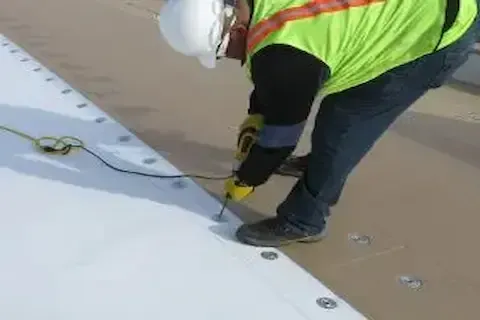
TPO installation requires specialized heat-welding equipment and certified technicians capable of creating consistent, watertight seams. The process involves overlapping membrane edges and applying controlled heat and pressure to fuse the materials. Quality welding demands specific temperature ranges, advancement speeds, and pressure settings that vary with ambient conditions.
EPDM installation offers multiple attachment methods including fully adhered, mechanically attached, or ballasted systems. Fully adhered installations use contact cement or water-based adhesives applied to both the membrane and substrate. Seam treatment involves cleaning, priming, and applying specialized tape or liquid adhesives to create weatherproof joints.
Weather sensitivity during installation affects both systems differently. TPO welding requires dry conditions and specific temperature ranges for optimal seam formation. EPDM adhesive systems demand similar dry conditions but offer more installation flexibility during marginal weather periods common in Maple Grove's transitional seasons.
Cost Analysis and Long-Term Value
Initial material costs position EPDM as the more economical option, typically running 15-25% less than comparable TPO systems. However, installation labor costs can offset this advantage depending on building complexity and access requirements. TPO Roofing Installation often requires higher skilled labor rates due to welding certification requirements.
Energy performance creates ongoing operational cost differences. White TPO membranes achieve solar reflectance values of 0.80 or higher, potentially reducing summer cooling costs by 10-15% compared to black EPDM systems. White EPDM narrows this gap but typically costs more than standard black formulations.
Maintenance and repair costs favor EPDM systems in most scenarios. Punctures, cuts, or seam failures in EPDM can be repaired using liquid sealants, patches, or tape systems without specialized equipment. TPO repairs often require heat-welding tools and trained technicians, increasing service call costs and response time.
Ponding Water and Drainage Performance
Ponding water represents a common challenge on low-slope commercial roofs throughout Maple Grove, particularly during spring snowmelt periods. TPO membranes demonstrate excellent resistance to standing water, maintaining physical properties and UV stability even under prolonged submersion conditions.
EPDM exhibits superior ponding water tolerance due to its rubber composition and lack of plasticizers that can leach out over time. The material resists water absorption and maintains flexibility when subjected to freeze-thaw cycles common in Minnesota's climate pattern.
Both systems benefit from proper drainage design and regular maintenance to minimize ponding conditions. However, when ponding cannot be eliminated through structural modifications, EPDM typically provides better long-term performance under these challenging conditions.
Common Installation Mistakes and Quality Issues
TPO installation errors frequently involve inadequate seam welding due to improper temperature settings, contaminated surfaces, or insufficient overlap dimensions. Under-welded or over-welded seams create failure points that compromise the entire roofing system. Membrane shrinkage during temperature fluctuations can also stress poorly detailed penetrations or edge terminations.
EPDM installations commonly fail due to inadequate surface preparation, contaminated seam areas, or insufficient adhesive coverage. Seam tape application requires clean, dry surfaces and proper pressure to achieve long-term adhesion. Ballasted systems may experience membrane movement if insufficient ballast weight is specified for the building's wind exposure.
Quality control during installation proves critical for both systems. Regular seam testing, proper surface preparation, and adherence to manufacturer specifications determine long-term performance regardless of material selection.
Minnesota Climate Considerations
Freeze-thaw cycling presents unique challenges for commercial roofing systems in Maple Grove's continental climate. TPO membranes maintain adequate flexibility down to -40°F but may become brittle under extreme conditions. The thermoplastic nature allows some flexibility recovery as temperatures moderate.
EPDM excels in cold weather performance, maintaining rubber-like flexibility throughout Minnesota's winter temperature range. The material resists cracking and splitting under thermal shock conditions that can stress less flexible membranes. tpo roof installation buildings must account for these thermal stress factors during system design and detailing.
Snow load and ice dam formation can impact both systems, though proper insulation and vapor barriers prove more critical than membrane selection for preventing these issues. Both TPO and EPDM resist mechanical damage from snow removal equipment when properly protected with walkway pads or pavers.
Professional Installation and Warranty Considerations
Contractor selection significantly impacts long-term system performance regardless of membrane choice. TPO installation requires certified welding technicians and specialized equipment investment that limits the contractor pool. EPDM installation accessibility allows more contractors to bid projects, potentially reducing labor costs but requiring careful vetting of installation experience.
Manufacturer warranties typically offer 15-20 year coverage for both systems when installed by approved contractors following specified procedures. TPO warranties often include specific welding certification requirements and quality control documentation. EPDM warranties focus on proper surface preparation and seam treatment protocols.
System performance ultimately depends on proper design, quality installation, and regular maintenance rather than material selection alone. Both TPO and EPDM can deliver excellent long-term performance when matched to specific building requirements and installed by qualified professionals familiar with Minnesota's climate challenges.
