
Commercial Roofing for Dayton's First-Cycle Replacement Properties
TPO and EPDM Roofing for Dayton Commercial Buildings
Dayton's commercial building stock is younger on average than most Hennepin County markets, a reflection of the city's growth pattern over the past two decades. But newer construction does not eliminate flat roof maintenance requirements — it changes their character. Buildings constructed in the 2000s and 2010s are now passing through the first major membrane assessment window, where original TPO and EPDM systems installed at construction are reaching warranty midpoint and need condition evaluation before the back half of their service life. This is the period when deferred maintenance costs begin to accelerate and when re-roofing eligibility can still be preserved with a documented inspection record. Commercial properties along Dayton's developing corridor include retail, mixed-use, and service-commercial buildings with flat and low-slope roof construction typical of post-2000 suburban development. These buildings typically carry rooftop HVAC infrastructure, parapet walls with metal coping that requires periodic flashing inspection, and drainage systems designed for normal precipitation loads but stressed by Minnesota's periodic heavy spring runoff events. Ponding water that persists more than 48 hours after significant rain events is one of the most reliable early indicators of drainage system problems on newer flat roofs. When drainage blockages allow ponding water to persist, the weight load and thermal cycling against standing water accelerates membrane degradation significantly faster than a properly drained roof. Dayton commercial property owners who commission inspections during the mid-warranty period of their original roof installation are in the strongest position to make informed decisions about maintenance, repair scope, and eventual replacement timing before cost pressure from deferred issues forces the decision.
Roof Repair and Inspection Services in Dayton
Flat roof inspection and maintenance on newer commercial construction in Dayton addresses a different risk profile than the replacement-cycle properties that characterize older Hennepin County markets. The primary concern on buildings from the 2000s and 2010s is not end-of-life membrane condition but mid-life maintenance failure — the gradual accumulation of minor seam separations, drain restrictions, and flashing fatigue that are individually manageable but collectively lead to insulation moisture infiltration when left unaddressed. Parapet wall flashing is among the first details to show stress on flat-roof commercial buildings in Minnesota's climate, because the metal coping that caps parapet walls expands and contracts with temperature shifts and can work the underlying flashing detail loose over time. This is true on newer buildings as well as older ones, and is one of the primary inspection points on any Hennepin County commercial property regardless of age. Commercial properties in Dayton with flat or low-slope roofs that rely on internal drains need those drains cleared before the fall freeze and inspected after the spring thaw. Blocked drains are among the lowest-cost maintenance items to address before they create a problem. After they have allowed prolonged ponding and the insulation layer has taken moisture, the cost profile changes significantly. An inspection program timed to Minnesota's seasonal transition points — spring to assess winter damage, fall to prepare for freeze season — represents a proportionate maintenance commitment relative to the value of the roof asset and the operational continuity it protects. Dayton commercial property owners who implement this program early in their building's lifecycle consistently avoid the reactive repair costs that come with deferred maintenance.
Commercial Flat Roof Replacement in Dayton
Commercial flat roof replacement on Dayton properties involves planning considerations that are shaped by the newer construction timeline of most commercial buildings in this market. Buildings constructed in the 2000s and 2010s that are reaching their first replacement cycle have a structural advantage over older commercial stock: the roof deck and framing systems are newer and less likely to require repair work before new membrane installation. However, newer construction does not guarantee sound insulation condition at the time of the first replacement. Insulation systems on post-2000 commercial buildings can accumulate moisture from drainage failures, minor seam separations that were never repaired, or installation defects from the original build that went undetected. Core cut sampling before replacement determines the insulation condition accurately and drives the decision between re-roofing and full tear-off. TPO is the specified system for most new commercial flat roof installations in Dayton, as it is across Hennepin County. For Dayton commercial buildings where existing TPO systems are in their replacement window, the membrane thickness and seam condition of the original system help determine whether re-roofing over the existing substrate is viable or whether full insulation replacement is required. The transition from a building's original membrane to its replacement system is the highest-risk point in the roof's lifecycle for insulation moisture accumulation to go undetected. A properly conducted assessment with core sampling before replacement eliminates that risk and produces a specification that the property owner can document and verify independently before any contract is signed.
Inspection and Leak Repair for Dayton Properties
Commercial roof repair and inspection in Dayton serves a building population that spans from very new construction to properties approaching their first major replacement cycle. The inspection approach differs significantly between these two groups. On buildings less than ten years old, inspection focuses primarily on drainage system performance, parapet wall flashing condition, and the integrity of original seams around HVAC curbs and other penetrations. These are the areas most likely to show early-stage issues on newer flat roof construction and the areas where early intervention is least expensive. On buildings ten to twenty years old, inspection adds membrane surface condition assessment and insulation moisture testing through core sampling to the baseline inspection protocol. This age group sits at the transition point where the re-roofing versus replacement decision becomes financially meaningful. A building in this range where insulation is confirmed dry and membrane condition supports an overlay approach can avoid full replacement costs for another membrane generation. The same building where inspection reveals widespread insulation moisture requires full replacement regardless of surface appearance. Repair work on Dayton commercial properties follows the same diagnosis-first approach regardless of building age. Active leaks are triaged and temporarily waterproofed on the same visit to stop interior damage, followed by permanent repair once the failure source is accurately identified. Flashing repairs around HVAC curbs, parapet walls, and drainage penetrations constitute the majority of commercial roof repair work on Hennepin County commercial buildings in this age range. Addressing these repairs within the same inspection and maintenance program produces better outcomes and lower costs than treating each leak call as a standalone event.
Maintenance Programs for Newer Commercial Roofs
Preventative roof maintenance for Dayton commercial properties is particularly valuable during the mid-life period when original membrane systems are past their initial warranty but not yet at documented end-of-life. This period — roughly years ten through twenty-five on a quality installation — is when the cumulative effects of Minnesota's freeze-thaw cycling on seam details and flashing connections become measurable through inspection, and where intervention cost is lowest relative to the damage being prevented. A maintenance program structured around spring and fall inspection visits, drain clearing, and minor repair work during each visit catches the failure patterns that accumulate during this period before they compound. Dayton's commercial development has added mixed-use, retail, and service-commercial properties over the past decade that represent the front end of this maintenance window. These buildings warrant inspection programs now rather than when the first visible leak appears, because the inspection program is what produces the condition record that protects the property owner's position at every point — warranty claims, insurance submissions, sale due diligence, and replacement budget planning. Commercial property owners in Dayton who invest in documented maintenance programs during this period will consistently achieve longer service life from their original membrane installation than owners who operate reactively. The performance difference between a maintained and an unmaintained commercial flat roof in Minnesota's climate is measurable in years of additional membrane service life. Maintenance programs are priced based on building footprint and inspection scope and are calibrated to what the building's age and condition actually require — not to a fixed-price package that adds cost without adding protection.
Comprehensive Commercial Roofing Contractor Services in Maple Grove
Tailored to Your Needs
Maple Grove commercial roofing services built for the specific demands of Hennepin County commercial properties. From retail corridor flat roof replacement to HOA community programs, maintenance schedules, and emergency repair response.
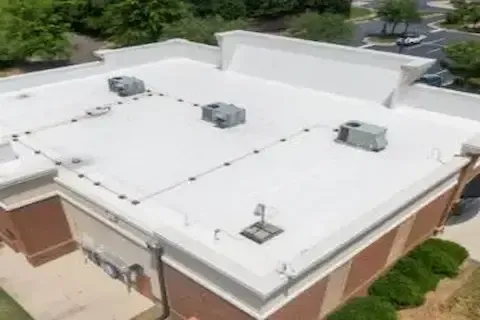
Maple Grove commercial flat roof replacement specialists serving retail, office, HOA, and multi-family properties across Hennepin County.
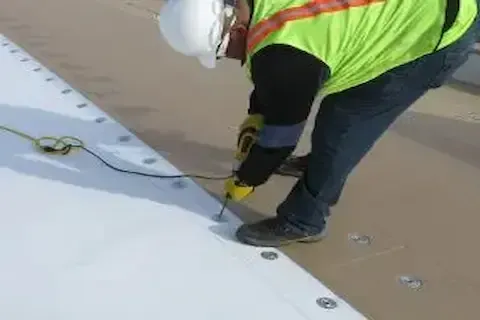
Minnesota-grade TPO membrane installation for commercial flat roofs in Maple Grove. Heat-weld seam integrity and energy efficiency for retail and office properties.

Rapid commercial roof repair for Maple Grove businesses. Membrane failures, flashing separations, and emergency leak response for Hennepin County commercial properties.
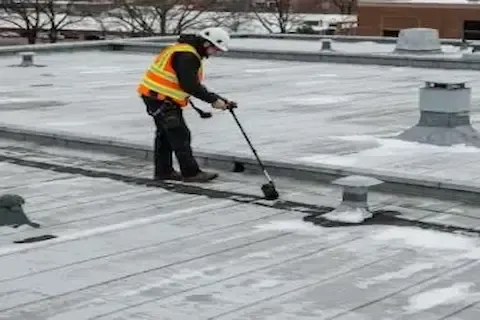
Comprehensive commercial roof inspections for Maple Grove property managers. Documented condition reports for insurance, warranty compliance, and maintenance planning.
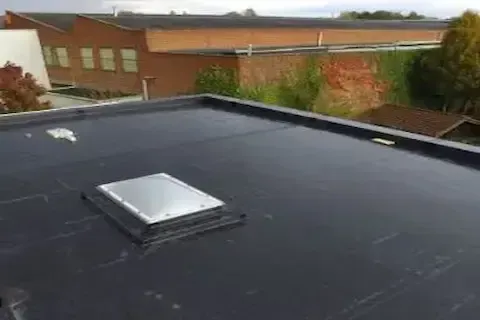
EPDM rubber roofing installation and replacement for Maple Grove's commercial building stock. The proven membrane system for re-roofing applications on Hennepin County commercial properties.

Commercial re-roofing overlays for Maple Grove properties. A cost-effective flat roof solution when the existing substrate qualifies for new membrane installation without full tear-off.

Scheduled commercial roof maintenance programs for Maple Grove property managers. Inspections, drain clearing, minor repairs, and documented condition reporting to extend membrane life.
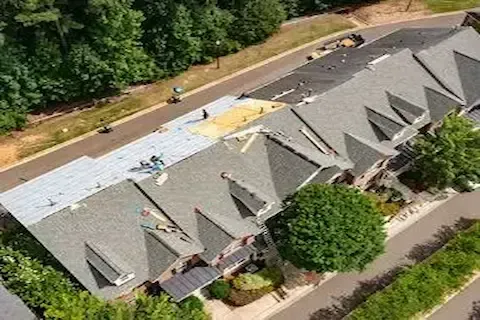
Community-wide roofing programs for Maple Grove HOA boards, townhome associations, and apartment property managers, with coordinated replacement, phased scheduling, and board-ready documentation.
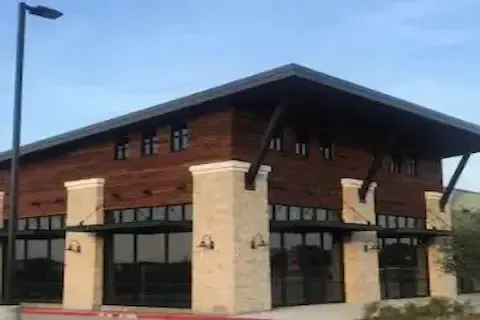
Flat roof replacement and repair for Maple Grove's retail corridor properties. Arbor Lakes, Maple Grove Crossing, and Highway 169 commercial properties served.

Commercial roof coating and restoration for Maple Grove properties that qualify. Silicone and acrylic systems that extend flat roof membrane life without full replacement.
Frequently Asked Questions
Commercial Roofing Contractor can be complex, and we’re here to provide answers to common questions. Here are some frequently asked questions from our clients.
Frequently Asked Questions about Commercial Roofing Contractor Maple Grove Mn
What types of commercial roofing systems do you install in Maple Grove?
We install TPO, EPDM, modified bitumen, and BUR flat roofing systems on commercial properties throughout Maple Grove. The right system depends on your building type, age, and budget. Retail properties in Maple Grove's Arbor Lakes corridor typically benefit from TPO installations, while older commercial buildings with existing EPDM membranes often qualify for re-roofing overlays. We assess each property individually and provide written material recommendations before any work begins.
How long does a commercial roof replacement take in Maple Grove?
Most commercial flat roof replacements in Maple Grove take two to five days depending on building footprint and access conditions. Retail buildings with active tenant operations require phased installation planning coordinated with Hennepin County permit timelines and scheduled to minimize business interruption. Larger multi-building projects such as HOA communities and office parks are phased over one to three weeks.
Do you pull permits for commercial roofing work in Hennepin County?
Yes. All commercial roofing work in Maple Grove requires permits from the city building department. We pull all required permits as part of every project. Commercial property owners should be cautious of contractors who suggest skipping this step because unpermitted commercial roofing work can void manufacturer warranties, create liability issues, and complicate property sales. We handle the permit process from application through final inspection sign-off.
How much does commercial roof replacement cost in Maple Grove?
Commercial flat roof replacement in Maple Grove typically ranges from $8 to $18 per square foot depending on system type, tear-off requirements, deck condition, and current material costs. TPO installations generally run $10 to $14 per square foot installed. EPDM re-roofing on existing systems can be lower where structural conditions allow. We provide detailed line-item estimates after a roof inspection because phone estimates without an in-person assessment are unreliable for commercial projects of any size.
How often should a commercial flat roof be inspected in Maple Grove?
Commercial flat roofs in Maple Grove should be inspected twice annually — once in spring after freeze-thaw season and once in fall before winter. Minnesota's freeze-thaw cycling puts consistent stress on membrane seams and flashing details, and small issues identified in spring are significantly less expensive to repair than damage discovered after another Minnesota winter. Properties with HVAC equipment on the roof should add a third inspection after any major service work.
What is the difference between commercial re-roofing and a full replacement?
Re-roofing installs a new membrane layer over the existing roof system without tearing off the existing material. Full replacement removes the existing membrane and insulation down to the deck. Re-roofing is appropriate when the existing deck and insulation are in sound condition. Maple Grove's 1980s and 1990s commercial building stock often qualifies. Full replacement is required when moisture has compromised the insulation or the deck needs structural repairs. We core cut and assess every commercial roof before recommending an approach.
Need Commercial Roofing Contractor?
What Our Satisfied Clients Have to Say About Maple Grove Commercial Roofing Co.
We pride ourselves on delivering great results and experiences for each client. Hear directly from home and business owners who’ve trusted us with their Commercial Roofing Contractor needs.

We had three bids on our Arbor Lakes strip mall roof. This team was the only contractor who came out, cored the existing system, and told us we actually qualified for re-roofing instead of full replacement. Saved us real money and the work was done correctly.
David Kowalski
As a property manager overseeing six commercial buildings in Maple Grove, finding a roofing contractor who actually documents their work and files permits correctly is harder than you think. These folks pull permits, file the inspection paperwork, and send a written report after every visit.
Sandra Nygaard
Our HOA board was dreading the community roof replacement process. They handled the board documentation, phased the work so residents were not all disrupted at once, and finished ahead of schedule. The entire association is satisfied.
Marcus Ellefson
The Trusted Commercial Roofing Contractor Expert Near You
Ready to hear more about expert services at Maple Grove Commercial Roofing Co.?
Contact us today to receive a detailed, no-obligation quote.

Maple Grove & the Twin Cities metro
Monday-Friday: 9am-5pm, Saturday: 11am-3pm

Quick Links